


Best Ways to Source Rare Antiques
Table of Contents
- Where to Look for Rare Antiques and Hidden Finds
- How to Authenticate Antique Furniture and Collectibles
- Signs of a Valuable Antique Worth Collecting
- Where to Buy Rare Antiques Online Safely
- Using an Antique Dealer Directory and Specialist Alerts
- Budgeting, Negotiation, and Total Acquisition Costs
- Frequently Asked Questions
Last Updated: October 21, 2026
Where to Look for Rare Antiques and Hidden Finds
Finding rare antiques requires knowing exactly where collectors and savvy buyers look. The best ways to source rare antiques involve a mix of traditional channels and emerging networks that most casual shoppers never discover.

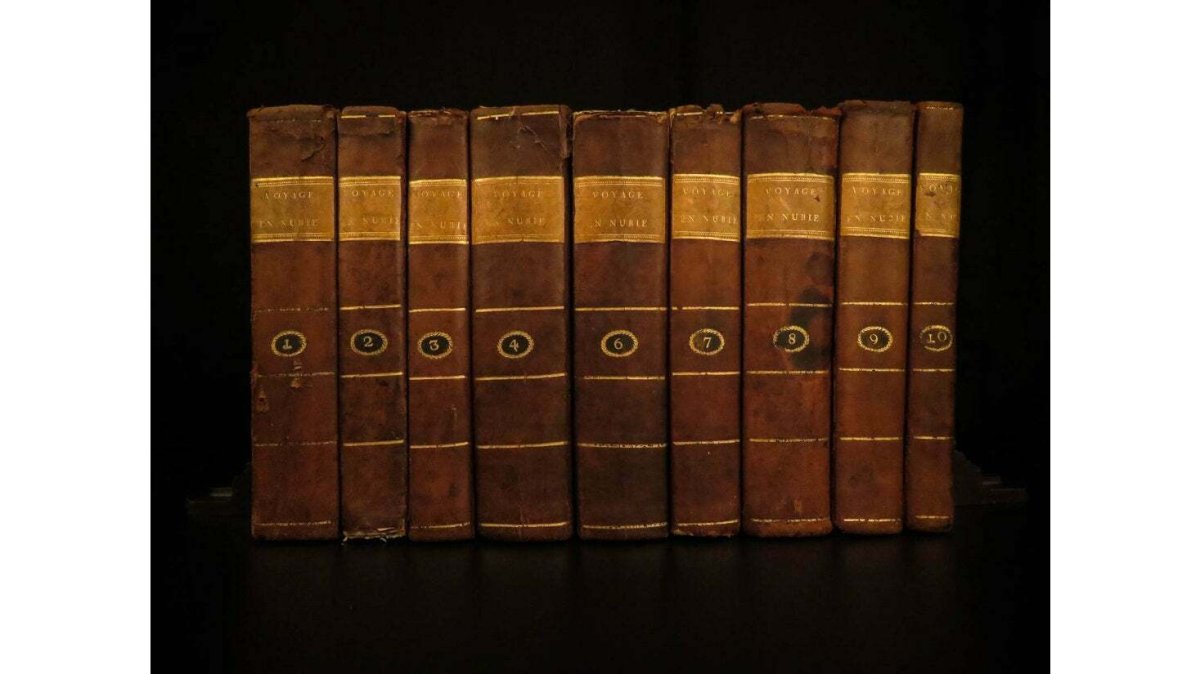
The difference between finding common pieces and uncovering genuine treasures comes down to knowing where to search and how to evaluate what you find. Let's break down the channels that actually yield results.
Flea Markets and Antique Markets
Flea markets remain one of the most productive hunting grounds for rare antiques. The sheer volume of dealers and inventory means you're exposed to hundreds of pieces in a single visit.
What matters most at flea markets: arrive early, bring a magnifying glass and reference materials on your phone, and talk to vendors. Many dealers have additional inventory in their storage or vehicles. Ask directly if they have pieces matching your collection criteria.
The downside is inconsistency. You might find exceptional pieces one week and nothing the next. Weather also affects market quality, rain cancels outdoor markets, and seasonal variation is significant.
Yard Sales and Estate Sales
Yard sales are where hidden gems surface most frequently. Families liquidating estates often don't know what they're selling. A piece worth $3,000 might be priced at $200 because the seller inherited it and has no context for its value.
Estate sales are more professional and typically priced higher, but the inventory is curated and often includes documented provenance.
The challenge: yard sales require time investment and geographic flexibility. You're competing with other collectors who've already scanned listings. Estate sales move quickly, popular lots sell within the first hour.
Auctions and Specialist Networks
Auction houses, from regional auctioneers to major houses, are where serious collectors find rare, documented pieces. Auctions create competition that drives prices up, but they also guarantee authenticity verification and often include detailed provenance research.
Specialist networks are less visible but highly valuable. Many dealers belong to private collector groups, attend invitation-only preview events, and participate in dealer-to-dealer networks. These channels rarely advertise publicly. Building relationships with dealers gives you access to pieces before they hit the open market.
How to Authenticate Antique Furniture and Collectibles
Authenticating antiques separates serious collectors from casual shoppers. A single authentication mistake can cost thousands. The process involves examining multiple indicators, construction methods, materials, wear patterns, and documentation.
Inspecting an Item Before Buying
Start with a physical inspection. Look at the underside, back, and interior surfaces where manufacturers rarely applied finishes. Construction methods reveal era and origin: hand-cut dovetails indicate pre-1860s work, while machine-cut joints suggest later manufacture.
Check wood species. Mahogany, walnut, and oak were common in European antiques from the 1600s-1800s. Modern reproductions often use cheaper substitutes or veneers over plywood.
Wear patterns tell the truth. Authentic pieces show consistent wear in high-contact areas, chair arms, table edges, drawer pulls. Artificial aging looks uneven or concentrated in specific spots. Run your hand across surfaces; authentic patina feels smooth and integrated, not applied.
Asking Sellers About an Item's History and Provenance
Provenance, documented ownership history, is the gold standard for authentication. Ask sellers: Where did you acquire this? Do you have receipts, certificates, or auction catalogs? Has it been restored or refinished?
Honest sellers know their inventory's history. Vague answers ("I found it at an estate sale") are yellow flags.
Request documentation. Certificates of authenticity from reputable appraisers carry weight. Auction house catalogs with lot descriptions and estimates provide third-party authentication. Dealer invoices show provenance chain.
Our catalog includes detailed descriptions, materials, dimensions, maker information when known, and any restoration history. This transparency lets you make informed decisions.
Signs of a Valuable Antique Worth Collecting
Not all old pieces are valuable. Age alone doesn't determine worth. Rarity, condition, desirability, and provenance drive value in the collector market.
Assessing Age, Rarity, and Condition
Age matters, but only in context.
Rarity is the multiplier. How many similar pieces exist? If a maker produced thousands, each individual piece is less rare. If production was limited or the maker is obscure, scarcity increases value.
Condition directly impacts price. A piece in original condition, unrestored, with period-appropriate patina, sells for 30-50% more than one requiring restoration. Minor wear is acceptable; structural damage, missing parts, or heavy restoration reduce value significantly.
Desirability shifts with collector trends. European furniture from the 1700s stays consistently sought-after. Art Deco pieces from the 1920s-1930s have seen renewed interest. Understanding current market preferences helps you identify pieces likely to appreciate.
Identifying Maker's Marks and Authenticity Indicators
Maker's marks, signatures, and stamps are authentication gold. Examine every surface for carved initials, painted signatures, or impressed marks. Maker's marks appear on furniture legs, drawer bottoms, clock faces, and book bindings.
Research the maker. Cross-reference marks against auction databases, dealer catalogs, and museum collections. A marked piece by a known maker commands premium prices. Unmarked pieces require other authentication methods.
Construction details authenticate era and origin. Specific joinery techniques were standard in particular regions and time periods. Dovetail spacing, mortise-and-tenon construction, and frame assembly methods vary by maker and era. Detailed knowledge of these techniques is worth developing.
| Authentication Element | What It Reveals | Red Flags |
|---|---|---|
| Wood species | Origin and era | Modern substitutes or veneers over plywood |
| Joinery type | Manufacturing method and date | Machine-cut uniformity in supposedly hand-made pieces |
| Finish and patina | Age and use history | Artificial aging or recent heavy refinishing |
| Hardware | Maker, era, and originality | Mismatched or modern replacement hardware |
| Wear patterns | Authenticity and use history | Uneven or concentrated wear suggesting artificial aging |
| Maker's marks | Maker identification | Faint or newly applied marks |
Where to Buy Rare Antiques Online Safely
Online sourcing expands your reach beyond local markets, but it introduces fraud risks. Authentication becomes harder without physical inspection. Establishing trust with online sellers is essential.
Vetting Online Sellers and Avoiding Fraud
Check seller credentials before purchasing. Established dealers have business licenses, years of operation, and customer reviews. Look for dealers who specialize in your collecting area, generalists often lack expertise.
Read reviews carefully. Multiple positive reviews mentioning specific details ("Exactly as described," "Beautiful patina," "Arrived well-packed") indicate reliable sellers. Vague praise is suspicious.
Antique Books, Rare, 1790 1st Ed. James Bruce Africa Voyages of Ethiopia →
Examine photos closely. Reputable sellers provide multiple high-resolution images showing all angles, details, wear, and damage. Poor-quality photos or limited angles suggest the seller is hiding something.
Request detailed condition descriptions. Honest sellers specify damage, restoration, and wear. They describe finishes accurately and mention any repairs. Vague descriptions like "good condition" or "as pictured" are warning signs.
Verifying Documentation and Certificates of Authenticity
Documentation separates legitimate sellers from opportunists. Request certificates of authenticity, appraisals, or auction house documentation. Legitimate sellers provide these without hesitation.
Certificates should include: item description, maker information when applicable, estimated date, materials, dimensions, condition notes, and appraiser credentials. Vague certificates from unknown appraisers carry little weight.
Verify appraiser credentials. Certified appraisers belong to professional organizations like the American Society of Appraisers. Check their credentials independently, don't rely on seller-provided information.
Compare documented prices to market rates. If a piece is priced significantly below comparable sales, investigate why. Underpricing sometimes indicates damage the seller downplayed or misattribution.
Using an Antique Dealer Directory and Specialist Alerts
Building a network of trusted sources accelerates your sourcing process. Dealer directories and specialist alerts connect you with sellers before pieces reach the broader market.
Building Your Network of Trusted Sources
Identify dealers specializing in your collection focus. If you collect 18th-century European furniture, find dealers with documented expertise in that area. Visit their showrooms or websites. Quality dealers maintain detailed catalogs with provenance information.
Attend dealer preview events and invitation-only sales. These events precede public auctions and estate sales, giving you first access to inventory.
Join collector associations and online forums. These communities share sourcing tips, alert members to upcoming sales, and provide authentication advice. Serious collectors exchange contacts for dealers, appraisers, and restoration specialists.
Our curated selection reflects years of sourcing expertise. We document provenance for every piece, information available to serious collectors interested in our inventory.
Setting Up Alerts and Sourcing Plans by Channel
Create sourcing alerts across multiple channels. Set up saved searches on auction sites for specific makers, styles, or time periods. Many platforms notify you when matching items are listed.
Subscribe to dealer newsletters. Reputable dealers email new acquisitions to interested collectors before public listing. This gives you first look at quality pieces.
Establish a sourcing calendar. Plan regular visits to flea markets and estate sales. Attend major auctions quarterly. Visit dealer showrooms seasonally. Consistency yields results over time.
Prioritize channels by your collection goals. If you're building a specific collection, focus on channels where those pieces typically surface. If you're sourcing for investment, auctions and documented pieces matter most.
Budgeting, Negotiation, and Total Acquisition Costs
Smart sourcing requires understanding total costs beyond purchase price. Shipping, restoration, appraisal, and insurance add significantly to acquisition expenses.
Budget for restoration. Many valuable pieces require professional conservation.
Factor in authentication and appraisal costs. Professional appraisals run $150-$500 depending on complexity. Authentication research costs vary.
Shipping and insurance matter. Fragile pieces require specialized packing and insurance. Budget $100-$500 for professional shipping depending on size and value.
Negotiate strategically. At flea markets and estate sales, reasonable offers are expected. For online purchases, negotiation is limited.
Last Updated: October 21, 2026
The best ways to source rare antiques combine research, relationship-building, and systematic evaluation.
Old Europe Antique Home Furnishings specializes in sourcing exactly these pieces.
For collectors serious about building valuable collections, authentication and provenance matter as much as the piece itself. The American Society of Appraisers provides resources for finding certified appraisers in your area. Auction house catalogs and price databases help you track comparable sales and market trends.
Frequently Asked Questions
How do you find rare antiques if you're just starting out?
Start by visiting local flea markets, estate sales, and yard sales regularly to build familiarity with pricing and quality. Join online antique communities and set up alerts on specialized marketplaces. Connect with local antique dealers who can guide you toward authentic European pieces with verified provenance. Attend auctions to see how rare items are valued. The key is consistent sourcing across multiple channels while learning to spot authenticity markers like maker's marks and period-appropriate materials.
What are the best ways to authenticate antique furniture before buying?
Inspect the piece in person whenever possible, checking for wear patterns consistent with age, original hardware, and wood type. Ask the seller detailed questions about the item's history, previous owners, and documentation. Look for maker's marks, signatures, or stamps on the underside or back. Research the style period and construction methods to confirm authenticity. Request certificates of authenticity or provenance documentation. For high-value acquisitions, consider hiring a professional appraiser to verify age and condition before committing to purchase.
What are signs of a valuable antique worth collecting?
Valuable antiques typically show authentic wear consistent with their stated age, feature quality craftsmanship in materials like solid wood or hand-painted porcelain, and have clear provenance or maker's marks. Rarity increases value significantly; items from specific periods or makers often command higher prices. Condition matters but patina from age is desirable. European pieces dating to the 16th through 19th centuries, particularly furniture and rare books, tend to appreciate over time. Demand from collectors and documented historical significance also drive value.
Is buying antiques online safe, and how do you avoid fraud?
Online purchases carry risk but are manageable with due diligence. Buy from established dealers with verified customer reviews and clear return policies. Request detailed photographs from multiple angles and ask specific questions about condition, materials, and provenance. Verify seller credentials and check for certificates of authenticity. Use secure payment methods that offer buyer protection. Be cautious of prices significantly below market value. Reputable dealers like Old Europe Antique Home Furnishings offer door-to-door delivery and professional packaging, reducing damage risk during shipping.