


What Is Provenance in Antique Collecting: A Complete Guide
Table of Contents
- What Is Provenance in Antique Collecting
- How to Research Antique Provenance: A Step-by-Step Workflow
- Antique Provenance Documentation: What Counts as Evidence
- Antique Ownership History Examples: What Strong Provenance Looks Like
- Provenance and Antique Value: How Documentation Affects Price
- Provenance Versus Authenticity, Attribution, and Condition
- Ethical and Legal Considerations in Provenance Research
- Frequently Asked Questions
Last Updated: October 6, 2026
What Is Provenance in Antique Collecting
Provenance is the documented history of an object's ownership, custody, and origin from creation to the present day. For collectors, what is provenance in antique collecting comes down to one question: can you trace where this piece came from, who owned it, and how it traveled through time?
At Old Europe Antique Home Furnishings, we understand provenance isn't just academic detail, it's the story that transforms a beautiful object into a historically significant treasure. A receipt from an 18th-century auction house or a museum catalogue entry establishes context that collectors pay premium prices for.
The Core Definition
Provenance establishes the complete journey of an object through time: the original maker, every documented owner, the dates of ownership transfers, and the physical locations where the piece has resided.
Provenance differs from related concepts. Authenticity confirms whether something is genuinely what it claims to be; attribution identifies the maker; condition describes the object's current state. Provenance is purely about documented history and ownership. An authentic, correctly attributed piece in excellent condition can have zero provenance, and that missing history will significantly reduce its market value.
Why Collectors Care About Provenance
Collectors prioritize provenance for practical reasons: it reduces the risk of acquiring stolen or looted objects, validates authenticity through historical record, and adds narrative value, collectors are drawn to pieces with compelling stories.
Provenance also functions as a financial safeguard. Objects with clear, unbroken ownership chains command higher prices because future buyers inherit that confidence, while pieces with "provenance gaps" raise questions that suppress market value.
How to Research Antique Provenance: A Step-by-Step Workflow
Researching provenance requires patience, organization, and access to multiple historical resources.
Step 1: Gather What You Know About the Object
Start by documenting everything physically visible on the piece: maker's marks, signatures, dates, monograms, inscriptions, and any labels, stamps, or stickers indicating previous ownership, museum accessions, or auction house provenance.
Record dimensions, materials, style period, condition, and any repairs or alterations. Gather your own purchase documentation, receipts, invoices, auction catalogs, seller communications, which becomes part of the provenance chain going forward.
Ask previous owners or sellers what they know.
Step 2: Search Archives and Historical Records
Many antique pieces have paper trails in public archives, museum collections, or historical societies.
Research the style, period, and maker to understand where such pieces typically surfaced historically. Known collections or estates may have published catalogues, and university and specialized antique reference libraries maintain databases organized by object type, maker, and period.
Digital archives have made this easier: many institutions now digitize historical records, auction catalogs, and collection inventories.
Step 3: Consult Auction Records and Catalogues
Auction houses maintain detailed records of objects they've sold, often with provenance information in the original catalog descriptions. Christie's, Sotheby's, and regional auction archives create searchable databases noting previous ownership, exhibition history, and publication references.
Auction catalogs are valuable because they represent moments when pieces changed hands and were formally documented.
Search by object type, maker, style, or identifying marks. If you find your piece listed, note the lot number, sale date, estimated value, and any provenance statements.
Step 4: Verify Ownership Transfer Documentation
Contact archives, historical societies, or the estates of known collectors. If a piece belonged to a notable collection now in a museum or public institution, that institution can provide detailed provenance documentation.
For international pieces, this may require contacting foreign archives or hiring a professional researcher. European antiques often have provenance trails leading back to specific regions, and verifying these connections typically pays off in increased value and buyer confidence.
Antique Provenance Documentation: What Counts as Evidence
Not all documentation carries equal weight. Collectors and appraisers evaluate provenance evidence on a spectrum from highly reliable to circumstantial.
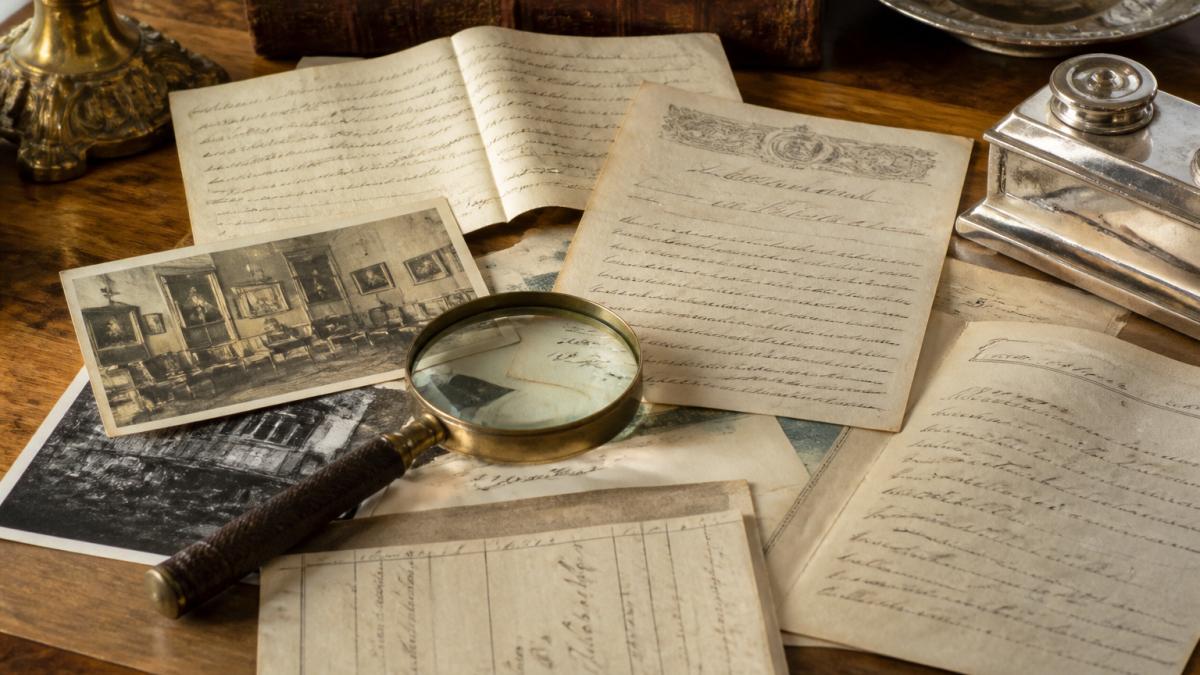
Primary Documents That Establish Ownership
Receipts and invoices from the point of sale are the gold standard, showing who bought the piece, when, for how much, and from whom.
Auction catalogs and lot records document formal sales with descriptions, estimated values, and often provenance statements, becoming a dated historical record.
Wills and estate inventories show when objects passed between family members through inheritance. Probate records and executor's documents provide legal documentation of these transfers.
Published references and exhibition catalogs establish that the piece was recognized and documented by institutions or scholars, adding significant credibility.
Physical Clues and Object Markings
Wear patterns and alterations tell stories, furniture showing consistent use in a particular room, or modifications from a specific period, provide context. Construction techniques and materials can be dated and compared to known examples, helping establish when and where something was made.
Condition and patina offer clues about age and handling, since genuine aging looks different from artificial distressing. Collectors and conservators can often date wood, metal, or finishes based on how they've weathered.
How to Evaluate the Reliability of Provenance Evidence
Strong provenance has continuity, documented ownership with minimal gaps.
Primary sources (original documents from the time of ownership) are more reliable than secondary sources (later accounts or references).
Institutional documentation carries more weight than private claims. A museum's accession record is more trustworthy than a seller's verbal account, though both contribute to the full picture.
Multiple corroborating sources strengthen provenance.
Specificity matters. Vague references ("belonged to a European collector") are less reliable than precise ones ("purchased by John Smith at Christie's London, June 15, 1920, lot 47").
Antique Ownership History Examples: What Strong Provenance Looks Like
Consider a 17th-century European cabinet.
Each transition point is documented, gaps are minimal, and multiple institutions have handled and recorded the piece, what collectors call a "clean" provenance, verifiable at nearly every stage.
By contrast, weak provenance might show: "Antique European cabinet, circa 1600s, origin unknown. Purchased at estate sale in the 1980s. Seller deceased, records unavailable." The piece may be authentic and beautiful, but the missing documentation significantly reduces its value because future buyers cannot verify its history.
Provenance and Antique Value: How Documentation Affects Price
Provenance directly influences market value. A piece with excellent documentation typically commands 20-50% higher prices than an identical piece with questionable or missing provenance. Some rare objects with stellar provenance appreciate far more dramatically.
Why Buyer Confidence Depends on Provenance
Buyers assess risk when purchasing antiques. Strong provenance reduces risk by answering key questions: Is this piece authentic? Has it been stolen or looted? What's its actual age and maker? Does it have historical significance? Documented answers justify higher prices because the buyer inherits that confidence.
Collectors building serious collections prioritize provenance because they plan to hold pieces long-term or pass them on, and want to resell with documentation intact. Pieces with clear provenance are easier to insure, display in museums or exhibitions, and eventually sell.
Provenance Gaps and How They Impact Market Value
A provenance gap is a period where ownership is unknown or undocumented. A gap of 20-30 years might reduce value by 15-25%.
The location of the gap matters. A gap in the 1940s-1950s raises particular concerns because that period includes World War II and its aftermath, when many artworks and antiques were displaced, looted, or lost.
Some gaps can be partially bridged through research.
Provenance Versus Authenticity, Attribution, and Condition
An object can be authentic, correctly attributed, in excellent condition, and still have poor provenance, or have outstanding provenance with condition or attribution questions.
Understanding these distinctions helps you evaluate what matters for your goals. For investment and long-term value appreciation, provenance and attribution are critical; for furnishing a home with beautiful antiques, condition and aesthetic appeal may take priority.
Ethical and Legal Considerations in Provenance Research
Provenance research isn't purely academic. It intersects with legal and ethical obligations, particularly regarding stolen, looted, or culturally significant objects.
Restitution and Stolen or Looted Objects
Objects stolen or looted during wartime, particularly World War II, remain subject to restitution claims.
Research organizations and databases track known looted artworks. The Art Loss Register, the Holocaust Claims Registry, and similar institutions maintain searchable records.
Pieces with provenance gaps during this period face heightened scrutiny.
Some countries have laws requiring disclosure of provenance concerns. If you're selling an antique and discover gaps or evidence suggesting it may have been stolen or looted, you may be legally required to disclose this to buyers or authorities.
How to Record and Preserve Provenance Over Time
As a collector, you become a steward of provenance.
Organize these chronologically, creating a clear ownership chain from the earliest documented date forward.
Photograph the piece from multiple angles, including maker's marks, labels, and identifying characteristics, and store these with the provenance documentation.
When you eventually sell or pass along a piece, transfer all provenance documentation to the new owner.
Understanding what is provenance in antique collecting transforms how you evaluate, acquire, and value pieces.
Frequently Asked Questions
What does provenance mean when collecting antiques?
Provenance is the documented history of an object's ownership, custody, and origin. For antique collectors, provenance establishes where a piece came from, who owned it, and how it traveled through time. A complete provenance traces an object from its creation through each previous owner to the present day. This chain of custody builds confidence in authenticity and historical significance.
How can I find the provenance of an antique I already own?
Start by examining the object itself for maker's marks, labels, inscriptions, or photographs. Search auction records and museum catalogues if the piece was previously documented. Contact historical societies, archives, and libraries relevant to the object's origin or style. Interview previous owners if you know them. Check property records, inheritance documents, and receipts. Digital databases and provenance research services can also help trace ownership history and historical context.
What documents can prove an antique's provenance?
Strong provenance evidence includes receipts, invoices, and bills of sale showing ownership transfer. Auction catalogues, exhibition records, and museum documentation establish historical record. Photographs with dates, letters mentioning the object, and inheritance documents trace custody over time. Maker's marks, signatures, and inscriptions on the object itself support attribution. Certificates of authenticity from reputable sources and expert appraisals add credibility. The more documents you can link together in an unbroken chain, the stronger the provenance.
Does provenance increase an antique's value?
Yes. Objects with clear, documented provenance command higher prices and attract serious collectors because the history is verified and the risk of forgery is lower. A piece with a notable previous owner, exhibition history, or significant historical context gains additional value beyond its age and condition. Provenance gaps or questionable ownership can reduce value. Buyer confidence directly correlates with provenance strength, so well-documented pieces sell faster and for more money than identical items without clear ownership history.
Can an antique be authentic without provenance?
Yes, an antique can be genuine but lack documented provenance, especially if it was a personal family piece never publicly recorded or sold. However, authenticity and provenance are different. Authenticity means the object is what it claims to be (correct period, maker, materials). Provenance is the documented history proving ownership and origin. An authentic piece without provenance carries higher risk for buyers because there's no paper trail to verify its history, which typically results in lower market value.
What are red flags in an antique's provenance?
Be cautious of significant gaps in ownership history with no explanation for missing years or decades. Avoid pieces with only verbal claims of famous previous owners but no documentation. Watch for vague descriptions like 'estate sale' or 'private collection' without specifics. Be skeptical of recently discovered attributions to famous artists without expert verification. Inconsistent stories about origin or conflicting documentation suggest problems. Objects from uncertain sources, looted cultural heritage, or items missing export permits raise ethical and legal concerns.
How do I evaluate the reliability of provenance evidence?
Primary sources (original documents like receipts or letters) are more reliable than secondary accounts. Contemporary documentation created at the time of ownership is stronger than later claims. Multiple independent sources confirming the same history are more credible than a single document. Check the reputation and expertise of anyone providing authentication or provenance statements. Be aware of provenance gaps and ask why certain periods lack documentation. Cross-reference information with museum records, auction databases, and expert opinions in the object's field.