


Antiques in High Demand Right Now: 2026 Guide
Last Updated: November 10, 2026
Quick Summary
Antiques in demand right now include European furniture, fine decorative objects, paintings, and certain porcelain and small collectibles. Furniture with strong construction and recognizable period styling attracts the widest buyer pool, while pieces that combine rarity with good condition sell best.
- Furniture with solid construction and original finish usually draws more interest than heavily refinished pieces.
- Clocks and lamps sell best when they are in working order, since a working grandfather clock appeals to a far larger group.
- Ask for documented provenance and condition reports before buying, because a photo or a 'period' claim is not proof of age.
- Compare net proceeds across sales channels, since fees, shipping and packing can shrink the headline price.
- Check the maker's mark and completeness on porcelain and books, since missing plates or mismatched sets lower value.
Table of Contents
- Antique Furniture and Decorative Objects Collectors Want
- Paintings, Prints and Other Artwork: How to Choose a Valuable Antique Painting
- Antiques That Sell Fast and Why They Move
- Books, Jewelry, Porcelain and Collectible Small Items
- Verifying Authenticity, Age and Provenance Before You Buy
- Best Practices for Antique Investment and Where to Sell
- Frequently Asked Questions
Antiques in demand right now are the pieces collectors and interior buyers keep returning to: European furniture, fine decorative objects, paintings and certain porcelain and small collectibles. Old Europe Antique Home Furnishings sells a curated selection of authentic European antiques, and the categories below show where antiques in demand sit and why their interest moves.
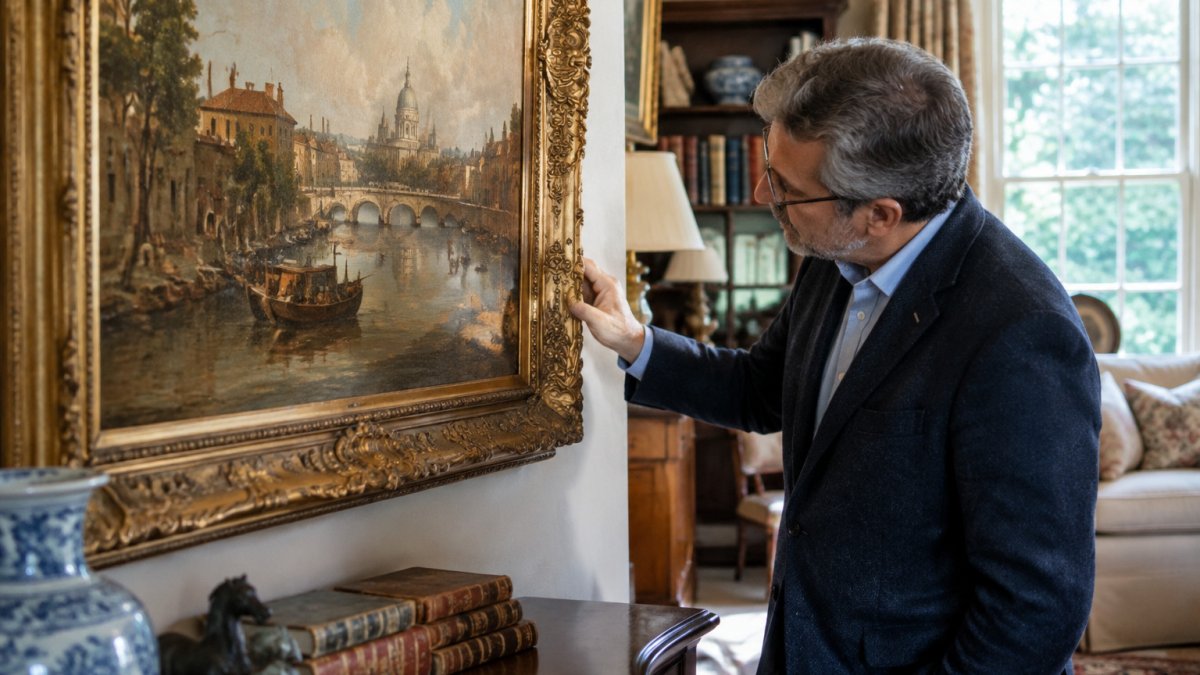
Demand usually concentrates in a few areas. Furniture with strong construction and recognizable period styling tends to attract the widest buyer pool. Decorative objects and fine art attract collectors who buy for both display and long-term holding. Small collectibles such as porcelain, jewelry and books attract a smaller but very committed group. Interest across these categories tends to follow broader interior design trends, and the strongest pieces combine rarity with condition.
Watch out: a pleasing photo or a dealer's claim of "period" is not evidence of age. Ask for the construction details and documentation before you commit to a price.
Antique Furniture and Decorative Objects Collectors Want
Furniture remains the category with the broadest appeal. Buyers look for solid construction, original hardware where it survives, and proportions that suit modern rooms. A cabinet that still has its original finish and clean joinery usually commands more interest than one that has been heavily refinished.
Decorative objects follow similar logic. Clocks, lamps and display pieces sell best when they work as intended or are clearly sold as decorative. A grandfather clock in good working order, for example, appeals to a far larger group than one that is only a case. Old Europe Antique Home Furnishings offers pieces such as an 19th century French walnut longcase clock that combine functional interest with decorative presence.
Practical tip: measure the room before you buy. A piece that looks right in a photo can overwhelm a small room, so measure before you buy.
Georgian and Victorian Pieces Holding Value
Georgian and Victorian pieces remain among the most requested styles in traditional interiors. Their appeal comes from dense craftsmanship and proportions that work well beside modern furnishings. Buyers should separate true period construction from later revival pieces, since both can look convincing in photographs.
[PAGE:1]
Paintings, Prints and Other Artwork: How to Choose a Valuable Antique Painting
Paintings draw strong interest because a single work can anchor a whole room. When you evaluate one, start with the condition of the canvas, the frame and any signs of restoration. Relining, touch-ups and nail holes are common in older works and affect value, so ask for a condition report.
Subject and style matter as well. A large 19th century European garden scene in the Rococo Revival manner, for example, is the kind of piece designers often seek for traditional interiors. Old Europe Antique Home Furnishings lists an Antique Rococo Revival garden scene oil painting that illustrates the format buyers look for.
Ask whether the signature is visible, whether the piece is framed or unframed, and whether the seller can document where the work came from.
[PAGE:2]
Antiques That Sell Fast and Why They Move
"Sells fast" is not a property of a category; it is a property of a specific piece, in a specific condition, offered through a specific channel at a specific price. To understand why prices fluctuate, read why antique furniture prices fluctuate. For current price and value context on European cabinets, see current price and value context for European cabinets.
A listed Prussia porcelain set, for instance, benefits from a recognizable maker mark that buyers can check against reference guides. An antique bronze sculpture after Pierre-Jules Mene, listed by Old Europe Antique Home Furnishings at $10,199.15, sits at the other end of the price range from small decorative pieces.
Where pieces actually sell, and what each channel costs. Demand and achievable prices differ by channel, and the channel you choose changes your net proceeds more than most sellers expect.
- Auction houses. Best for documented, higher-value pieces. Buyer's premiums and seller's commissions vary by house and are often negotiable. You get exposure and a recorded result, but you may wait for the next suitable sale.
- Specialist dealers. Fastest path to cash, but dealers buy at wholesale, typically a meaningful discount to retail, because they carry the inventory risk and the selling costs.
- Consignment shops and online consignment. Commission-based, with the advantage that you do not handle shipping or buyer questions.
- Online marketplaces. You reach the widest buyer pool and keep the largest share of the price, but you absorb listing fees, payment processing, packing, shipping, and the risk of returns and disputes. Fragile items, porcelain, glass, framed art, carry real breakage risk that eats into proceeds.
The costs that shrink headline prices. Fees, shipping, insurance, storage, and time to sell all come out of the number a buyer pays. Fees, shipping and packing all come out of the price a buyer pays, and a fragile item that needs professional crating can lose a further share of proceeds.
Durable demand versus a short-lived trend. A practical way to tell the two apart is to look at completed sales over several years rather than search interest over several weeks. Categories with durable demand show repeat sales at stable or rising prices across different auction houses and regions. Trend-driven categories show a burst of asking prices, thin completed-sale evidence, and a narrow group of buyers.
Prices fluctuate with the market, so treat any figure as a snapshot rather than a guarantee. Before you buy or sell, compare recent completed sales in the same category and condition, subtract the channel's fees and your shipping and insurance costs, and judge the result on net proceeds rather than the headline price.
The channel you choose changes what you keep from a sale, as the comparison below shows.
| Channel | Best for | Key difference |
|---|---|---|
| Auction houses | Documented, higher-value pieces | Buyer's premiums and seller's commissions, often negotiable |
| Specialist dealers | Fastest path to cash | Buy at wholesale, typically a meaningful discount to retail |
| Consignment shops | Sellers avoiding shipping and buyer questions | Commission-based |
| Online marketplaces | Widest buyer pool and largest share of price | Fees, packing, shipping and return risk fall on you |
Books, Jewelry, Porcelain and Collectible Small Items
Small collectibles make up a large share of the antiques market, and they reward careful study because the difference between a common piece and a desirable one often comes down to a mark, a date, or a complete set.
Antique books and printed materials. Collectors of travel, exploration, and early Western scholarship drive most of the demand.
Jewelry and wearable pieces. Gold, platinum, and signed costume jewelry move fastest. Buyers look for hallmarks and maker's marks on the clasp, the pin stem, or the inside of a band, and they pay premiums for original stones, undisturbed enamel, and complete parures.
Porcelain and ceramics. Prussia wares, English bone china, and French faience sell steadily to buyers completing sets.
Coins and militaria. Demand here is driven by grade and provenance. Coins are often bought in certified holders, and grade strongly affects price.
Mid-century modern and Danish design. This is the category where durable demand and short-lived trend are easiest to confuse.
Vintage household and kitchen items. Cast iron, enamelware, and named American studio pottery sell well when they are complete and undamaged. Chipped enamel and missing lids are the usual deal-breakers.
Across all of these categories, the practical rule is the same: identify the maker, confirm the mark, check completeness, and price against recent completed sales rather than asking prices.
Verifying Authenticity, Age and Provenance Before You Buy
Authenticity is the first question serious buyers ask, and it deserves a method rather than a guess. Start by asking for documented provenance: where the piece has been, who owned it and any prior sales records. Provenance is the chain of ownership that supports a piece's history. Learn what provenance means and how to document it.
Check construction, marks, materials and wear. Real age shows in consistent patina and wear patterns, not uniform surfaces. Compare details against reference books and reputable dealers, and be cautious of prices that seem too good to be true. Listings for antiques at Old Europe Antique Home Furnishings include dimensions and condition notes, which give buyers a starting point for their own checks.
Where a claim matters for a purchase, ask for an independent appraisal. Independent appraisers can be consulted to confirm age and attribution.
Best Practices for Antique Investment and Where to Sell
Buy for condition and documentation first. For safety guidance on buying or selling antiques online, see how to buy antiques online safely. Pieces with clear provenance, original parts and honest condition reports tend to hold their value better than heavily altered items. Keep receipts and photographs of every purchase.
When you sell, compare several channels: specialist dealers, auction houses, consignment shops and online marketplaces. Each takes a different commission and reaches a different buyer. Seller returns can differ from listed prices, so compare net proceeds across channels.
Old Europe Antique Home Furnishings is based in Austin, Texas, and serves buyers who want curated European antiques. Buyers can review the catalog and ask questions about any piece before deciding. If you are ready to see what is available, browse the current collection and find a piece that fits your home and your goals.
Frequently Asked Questions
What antiques are most sought after by collectors today?
Collectors currently favor pieces with strong provenance and good condition. European furniture from the 18th and 19th centuries, Victorian and Georgian decorative objects, fine porcelain such as R.S. Prussia, antique books with first-edition status, and large oil paintings in period style all draw steady interest. Sculpture by recognized 19th-century animal sculptors is also in demand. Prices vary widely by maker, condition and documentation, so compare recent sold results before setting expectations for any category.
How do I determine if an antique is valuable?
Start with three checks: maker or artist, age, and condition. Signed or marked pieces by recognized makers usually command more than unmarked examples. Look for hallmarks on silver, signatures on paintings and bronzes, and printed marks on porcelain. Condition matters a great deal: restoration, cracks, missing parts or a broken element such as a rein on a bronze can reduce value. Finally, check recent sold prices from auctions and dealers, since asking prices alone do not show what buyers actually paid.
Which antiques are expected to increase in value in 2026?
No antique category can be guaranteed to rise in value. Pieces with rare provenance, documented history, strong craftsmanship and good condition tend to hold value better than trend-driven decorative items. Historically significant books, quality European furniture and signed 19th-century sculpture are examples of categories collectors watch closely. Treat any forecast as an estimate, and buy primarily for the pieces you would enjoy owning even if prices stay flat.
How do I choose a valuable antique painting?
Look at the artist, the period, the condition of the canvas and frame, and the quality of the composition. Signed works and paintings in a recognized historical style, such as 19th-century Rococo Revival garden scenes, can be strong choices for interiors. Check for relining, tears, inpainting and nail holes, since these affect both appearance and price. Ask for a condition report and compare recent sales of similar size and subject before committing.
Where is the best place to sell high-demand antiques?
The right channel depends on the item. Fine art and high-value bronzes often do best at specialist auctions, where buyers compete on documented pieces. Furniture and decorative objects can sell through dealers, consignment shops or online marketplaces with clear photos and descriptions. Antique books and coins may suit specialist dealers who understand their grading. Compare commission rates and expected timelines before choosing a channel.
