


Why Antique Furniture Prices Fluctuate: A Buyer's Guide
Table of Contents
- Why Antique Furniture Prices Fluctuate: The Core Forces
- How to Value Antique Furniture: A Step-by-Step Process
- Antique Furniture Appraisal: What Professional Evaluators Look For
- Does Antique Furniture Appreciate in Value Over Time?
- Antique Furniture Market Trends and Shifting Buyer Tastes
- Key Factors That Drive Price Changes in Antique Furniture
- Frequently Asked Questions
Last Updated: October 8, 2026
Why Antique Furniture Prices Fluctuate: The Core Forces
Antique furniture prices fluctuate because demand from collectors changes, supply tightens or loosens, economic conditions affect buyer behavior, and tastes evolve. At Old Europe Antique Home Furnishings, we offer a curated selection of authentic European antiques, ranging from furniture and decor to rare antique books.
The market for antique furniture isn't like the stock market. There's no single price for a Georgian mahogany table or a Victorian settee. Prices reflect what buyers will pay right now, in this economy, for this style, in this condition. A piece that sold well five years ago might sit unsold today because preferences shifted, while another appreciates because collectors rediscovered that period.
Three core forces drive these fluctuations. First, demand from collectors and homeowners changes with design trends, economic confidence, and generational preferences. Second, supply matters: rare pieces command premiums while common reproductions depreciate. Third, external conditions including economic cycles, interest rates, and the cost of selling influence what buyers will spend.
How to Value Antique Furniture: A Step-by-Step Process
Valuing antique furniture requires research, comparison, and honest assessment of condition. The goal isn't a single "true" price but a realistic range based on what similar pieces have actually sold for.
Start by identifying the exact style, period, and maker if possible. A piece labeled "Victorian" could span 60 years and vary wildly in value, from early Victorian (1837-1860) to late Victorian (1880-1901). European antiques with documented provenance command higher prices than unmarked pieces, so document any maker's marks, signatures, or identifying features.
Next, assess the condition honestly. Note the original finish, any repairs, structural integrity, and signs of normal wear. Restoration costs matter significantly, a piece needing $2,000 in professional restoration will price lower than an identical piece in original condition, even if both will eventually look similar after repair.
Researching Comparable Sales
Finding comparable sales is where valuation becomes concrete. Search auction results, online marketplaces, and dealer catalogs for pieces matching yours in style, period, size, and condition. Look for SOLD prices, not asking prices.
Auction houses publish realized prices, online platforms list completed sales, and dealer websites sometimes show sold inventory. Find 3-5 comparable pieces sold in the last 12-24 months. Regional variation matters: a Chippendale chair might sell for more in a coastal market than inland, and European antiques often command premiums where collector bases are strong.
Record the sale price, date, condition notes, size, and any special features. If a comparable sold for $3,500 but was in pristine condition while yours needs restoration, adjust downward. If yours has superior provenance or rare features, adjust upward.
Understanding Asking Price vs. Realized Price
An antique dealer might ask $5,000 for a mahogany sideboard. If it sells for $3,800, that's the realized price. The gap reflects market conditions, negotiation, and whether the dealer priced optimistically.
Auction results show realized prices because items sell to the highest bidder, while dealer websites show asking prices that are often higher than what a piece will fetch. Prioritize realized prices from auctions and completed sales over dealer asking prices, which are the true market signal.
Antique Furniture Appraisal: What Professional Evaluators Look For
A professional appraiser assesses antique furniture by examining materials, construction methods, style characteristics, and condition to determine fair market value, what a willing buyer would pay a willing seller in an arm's-length transaction.
Appraisers start by verifying authenticity, examining joinery, wood grain, hardware, finish, and wear patterns to determine whether a piece is genuinely from its claimed period or a later reproduction. A Chippendale-style chair made in 1920 is a reproduction, not a Chippendale, and its value is substantially lower.
Appraisers also research the maker or origin. Documented pieces with maker's marks, auction records, or provenance appraise higher than unmarked pieces of identical style and condition, because collectors value certainty.
Condition assessment is detailed: appraisers note structural soundness, original finish quality, repairs, and restoration work, distinguishing normal wear from damage affecting function or appearance. A chair with worn upholstery but a sound frame values higher than one with structural cracks, even if both need work.
Does Antique Furniture Appreciate in Value Over Time?
Antique furniture appreciates when demand for that style increases, supply stays limited, and condition is maintained. It depreciates when tastes shift away, reproductions flood the market, or condition deteriorates.
Some categories have appreciated significantly. Solid wood pieces from the 17th and 18th centuries, when craftsmanship and materials were superior, tend to hold or gain value. Arts and Crafts furniture from the early 1900s and mid-century modern pieces have appreciated as collectors rediscovered their quality and design.
Other categories have depreciated. Mass-produced Victorian furniture has flooded the market, reproduction pieces from the 1950s-1980s have minimal value, and heavily ornate late Victorian and Edwardian pieces face softer demand because contemporary interiors favor cleaner lines.
The hard truth: antique furniture is not a reliable investment like stocks or bonds. It appreciates only if you buy the right piece at the right time and market conditions favor it. Buy antique furniture for the aesthetic and historical value it brings to your home; appreciation is a potential bonus, not the primary goal.
Antique Furniture Market Trends and Shifting Buyer Tastes
Collecting trends move in cycles. What's sought after today may be dismissed tomorrow as new generations develop different aesthetic preferences, which explains why some antique furniture prices have risen while others have fallen.
The past decade has seen strong demand for European antiques with clean lines and lighter finishes, plus Scandinavian and mid-century modern pieces, as younger homeowners favor minimalist aesthetics.
Provenance and authenticity have become increasingly valuable. Collectors research pieces more thoroughly and demand documentation, so pieces with a documented maker, auction record, or known previous owner command premiums, while unmarked pieces price lower even if genuinely old.
Sustainability consciousness has boosted demand among younger buyers. Purchasing antique furniture instead of new mass-produced pieces appeals to eco-conscious consumers seeking quality and longevity, supporting prices for well-made, functional antiques, particularly 18th and 19th century pieces built to last.
Economic conditions influence buyer behavior. During strong economic periods, collectors spend more freely on luxury pieces. During recessions, demand softens and prices decline. Interest rates matter too, high borrowing costs reduce discretionary spending on non-essential purchases like collectible furniture.
Key Factors That Drive Price Changes in Antique Furniture
Several specific factors determine whether antique furniture prices rise or fall, explaining why two seemingly similar pieces price differently and why a piece's value can shift over time.
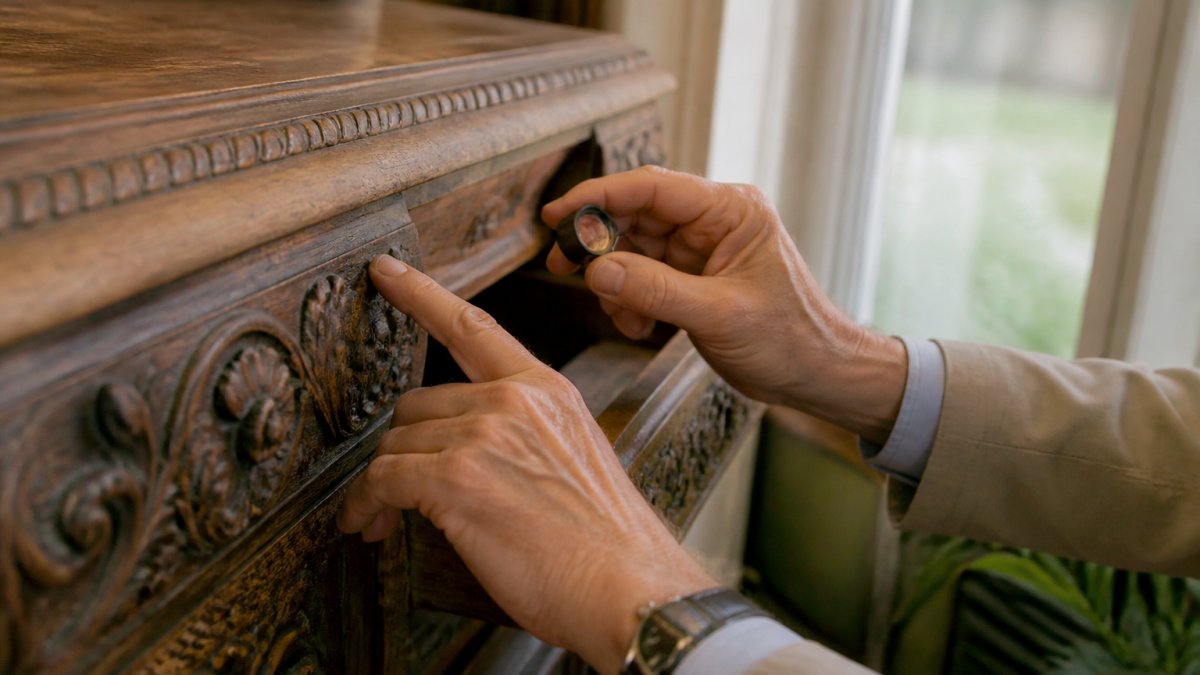
Condition and Restoration Costs
Condition is the primary determinant of value after style and period. A piece in original condition with minimal wear commands a premium over an identical piece needing restoration, because buyers subtract expected repair costs from their offer price.
Normal wear, surface scratches, faded finish, minor dents, reduces value modestly. Structural damage, loose joints, cracked wood, broken supports, significantly reduces value: a chair with loose rungs might need $800-1,200 in restoration, and a table with a cracked top $1,500-3,000.
Missing parts reduce value substantially. A set of six chairs missing two pieces is worth less than a complete set because the buyer must either find matching replacements or live with incompleteness. Hardware replacements, handles, hinges, feet, also affect value if the replacements aren't period-appropriate or original to the maker.
Original finish, even if worn, is more valuable than refinished surfaces. A table with its original finish, however dull, values higher than one that's been stripped and refinished because collectors prefer authenticity. Refinishing removes patina and can damage wood if done improperly.
Style, Period, and Craftsmanship
The period and style of a piece fundamentally determine its appeal to collectors. Pieces from the 17th and 18th centuries when hand-craftsmanship was the standard command higher prices than 19th-century mass-produced pieces. Solid wood construction with traditional joinery indicates superior craftsmanship and durability.
Specific styles cycle in popularity. Georgian and Chippendale styles remain consistently sought after. Arts and Crafts pieces have appreciated significantly as collectors value their design philosophy and construction quality. Mid-century modern furniture has strong demand among younger collectors. Victorian ornate pieces face softer demand currently because contemporary interiors favor cleaner aesthetics.
Rarity within a style affects price. A common Victorian parlor chair prices lower than a rare Arts and Crafts piece from the same era because fewer examples of the latter exist. Maker attribution increases value significantly, a piece signed by a known maker or with documented provenance commands a premium over an unmarked equivalent.
Supply, Availability, and Regional Variation
Supply constraints drive prices upward. A rare 18th-century French provincial table becomes more valuable as fewer examples appear on the market. Common pieces from the 1950s-1970s are plentiful, so prices remain low.
Regional preferences affect pricing. Coastal markets with strong collector bases often pay premiums for European antiques. Rural markets may have softer demand for the same pieces.
Economic conditions in specific regions influence buying power. Markets with strong real estate values and high household incomes support higher prices for luxury antiques. Markets experiencing economic contraction see softer demand and lower realized prices.
Antique furniture prices fluctuate because the market responds to shifting demand, changing availability, and evolving buyer preferences. Rather than a fixed value, each piece has a market range that adjusts as conditions change.
The best approach is to buy antique furniture based on genuine appreciation for its craftsmanship, history, and beauty. Work with knowledgeable sources like the American Society of Appraisers for professional valuation guidance, which maintains standards for antique furniture appraisal.
At Old Europe Antique Home Furnishings, we've built our collection on the principle that authentic European antiques offer lasting value precisely because they were built to last.
Frequently Asked Questions
Why do antique furniture prices fluctuate so much?
Antique furniture prices change due to shifts in buyer demand, evolving collecting trends, changes in supply and availability, and economic conditions. Condition, restoration needs, and market channels (auction results versus retail asking prices) also create variation. A piece that trends in popularity can appreciate, while shifts in style preferences may lower demand for other items. Economic cycles affect what buyers can spend, and the cost of selling through different channels impacts final realized prices.
How do I determine what my antique furniture is actually worth?
Start by researching comparable sales on auction sites and antique marketplaces to see what similar pieces sold for recently, not just asking prices. Note the condition, style, period, and craftsmanship of comparable items. Consider hiring a professional appraiser for valuable pieces; they assess authenticity, provenance, and current market value. Understand the difference between what sellers ask and what buyers actually pay. Regional demand and the sales channel (online, showroom, auction) also affect realized value.
Does antique furniture appreciate in value over time?
Some antique furniture does appreciate, especially rare pieces with strong craftsmanship, documented provenance, and enduring style appeal. However, appreciation is not guaranteed. Mass-produced Victorian or mid-century pieces may depreciate if demand falls. Quality, condition, and whether the style remains fashionable all influence long-term value. Pieces in excellent condition with minimal restoration needs tend to hold value better. Economic conditions and collecting trends also play a role, what's desirable today may shift as buyer tastes change.
What role do collecting trends play in antique furniture prices?
Collecting trends heavily influence antique furniture prices. As buyer tastes shift toward minimalism, mid-century modern, or sustainable vintage options, demand for certain styles rises while others fall. Fashion cycles affect whether ornate Victorian pieces or sleek Scandinavian designs command higher prices. Younger eco-conscious buyers seeking sustainable alternatives to mass production are reshaping demand. Trends also vary by region. Pieces aligned with current interior design movements appreciate faster, while outdated styles may see price declines regardless of age or quality.