


Where to Find Antique Shops in Austin, TX
Quick Summary
Antique shops in Austin, TX vary by focus, so start by deciding whether you want a statement piece, a full room of furniture, or smaller collectibles. Specialist European dealers suit period pieces, while thrift stores and multi-vendor malls offer more variety at lower prices. Call ahead to confirm hours and ask about delivery for large items.
- Decide what you are buying and set a budget before visiting Austin's antique shops.
- Ask sellers to describe a piece's period, materials, and visible repairs before you buy.
- Be cautious if a dealer is vague about the age or origin of a piece.
- Antique malls offer many dealers under one roof, which makes comparison shopping easier.
- Ask about delivery or shipping for large furniture before you commit to a purchase.
Table of Contents
How to Choose an Antique Shop in Austin
Austin has a strong antiques scene, but the shops vary widely in what they carry, how they price, and how they handle returns. The right shop depends on whether you are hunting for a single statement piece, filling a room, or building a collection. Before you visit, decide what you are buying and what you can afford to spend.
Start with the inventory. Some shops specialize in European furniture and decorative objects, while others sell mixed secondhand goods, housewares, and collectibles. A consignment store may offer a wider range of styles, but quality and provenance can be uneven. Antique malls with many vendor booths give you variety, yet each booth may be run by a different dealer with different standards.
Ask questions before you buy. Reputable sellers can describe a piece's period, materials, and condition, and they will tell you about visible repairs. Pay attention to whether the staff can answer those questions clearly. If a dealer is vague about age or origin, treat that as a warning sign.
Check the practical details too. Confirm current hours, since some shops run limited schedules, and ask about delivery or shipping for large items. A piece that looks perfect in a showroom can be difficult to move home, so plan that before you commit.
Antique Shops in Austin by Category
Austin's antique shops fall into a few broad groups, and knowing the category helps you narrow your search. Shops focused on furniture and home furnishings are a useful starting point for dining tables, sideboards, and seating. Collectibles and decorative shops are better for smaller items such as clocks, candelabra, china, and art objects.
Thrift and consignment stores offer lower prices and more unpredictable finds. They suit buyers who enjoy searching and do not need a specific piece. Multi-vendor antique malls sit in between, offering many dealers under one roof, which makes comparison shopping easier.
Our shop, Old Europe Antique Home Furnishings, focuses on authentic European antiques, including furniture, decor, and pieces dating back to the 16th century. If you are looking for period European pieces rather than general secondhand goods, that focus can save you time.
European Antiques in Austin: What to Look For
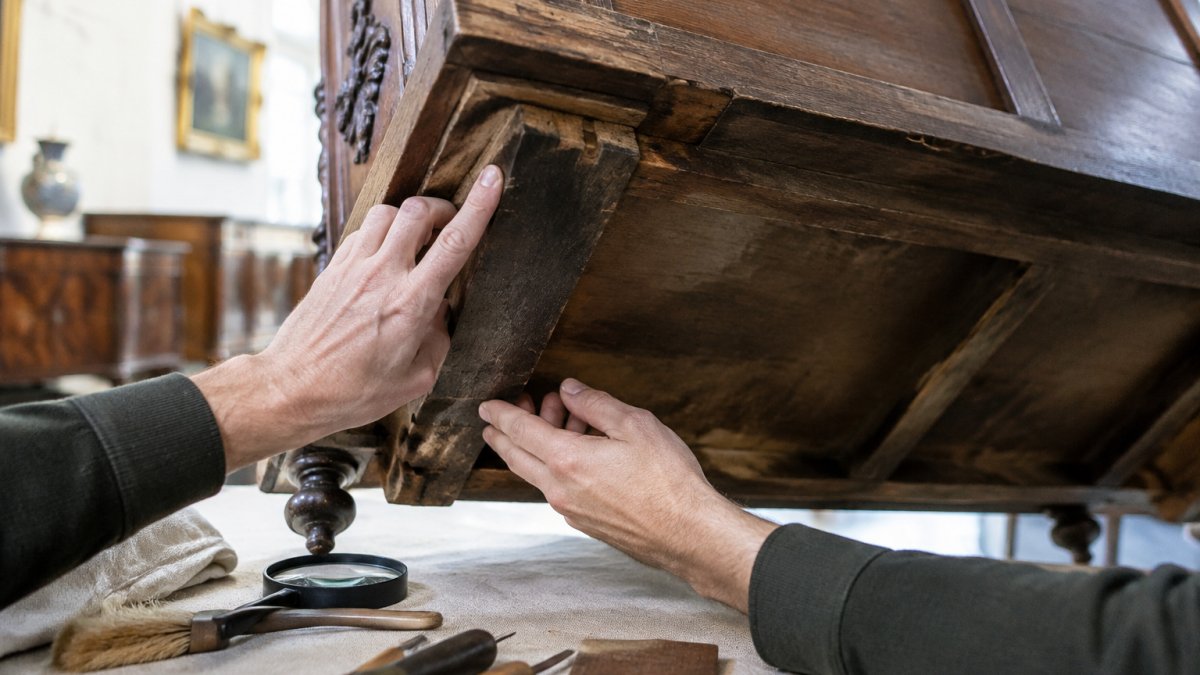
European antiques are prized for their craftsmanship, but they also come with specific features to check. Look at the joinery, since hand-cut dovetails and pegged joints are signs of earlier construction. Examine carved details for wear that matches age, not recent distressing.
Italian Renaissance Revival and French Renaissance style pieces often feature carved walnut, grotesque masks, paw feet, and architectural forms. Our current selection includes an Italian Renaissance Revival trestle dining table, measuring 104 inches long, priced at $3,127.45, and an early 1900s French Renaissance style carved walnut sideboard priced at $3,053.00. Each listing notes visible wear from age and use.
Ask whether a piece is a genuine period example or a later reproduction. Reproductions can be well made, but they are priced and valued differently. For a deeper look at European furniture from this era, see our guide to antique 17th century European wood furniture.
Vintage Furniture in Austin: Styles and Budgets
Vintage furniture covers many periods and prices, so set a budget before you shop. Mid-century and early twentieth century pieces are often more affordable than eighteenth or nineteenth century antiques. Antique European furniture typically costs more because of age, craftsmanship, and scarcity.
Consider how a piece will fit your space. A large dining table or sideboard needs room and a solid floor, while a plant stand or easel can work in smaller areas. Many buyers find that one or two strong statement pieces make a room more memorable than a mix of many small items.
Vintage furniture is also a more sustainable choice than many new mass-produced pieces, since it extends the life of well-made objects. Our case for buying vintage furniture explains that reasoning in more detail.
How to Tell If Furniture Is Antique
Telling an antique from a newer piece takes careful looking. Start with the construction. Hand-tooled surfaces, irregular carving, and uneven wear are more common in older work than in machine-made furniture. Check drawers and undersides for saw marks, nail types, and screw styles, which change over time.
Patina is one of the most useful clues, but it is also easy to fake. Real patina builds up unevenly where hands and objects have touched the wood over decades. Be wary of uniform finishes or distressing that looks too regular.
Style also helps you date a piece. Victorian and Edwardian furniture can look similar at first, but Victorian work usually has heavier proportions and more elaborate ornament. For a closer comparison, read our guide to how to tell Victorian furniture from Edwardian furniture.
Buying an Antique Glass Front Cabinet: Checklist Before You Pay
Glass-front cabinets are popular for displaying china, collectibles, and books, but they need careful inspection. Before you pay, check the following:
- Confirm the wood type and whether the finish is original or refinished.
- Open and close every door and drawer to test the hinges and runners.
- Inspect the glass for cracks, chips, or replacement panes.
- Look at the back and base for water damage, woodworm holes, or warping.
- Ask whether the cabinet has been repaired, and where.
- Measure the interior and your intended wall space before you buy.
A genuine antique cabinet should show wear that is consistent with its age. If you are looking for a specific example, our Dutch walnut display cabinet with glass doors shows what a well-documented antique piece looks like.
Planning Your Visit to Austin's Antique Shops
Plan your route before you go. Group shops that are near each other, and allow extra time for browsing, since many antique stores are larger than they look from the street. Call ahead to confirm hours, especially on weekends and holidays.
Bring a tape measure, a notepad, and a phone with a flashlight for checking undersides and interiors. If you plan to buy a large piece, ask about delivery options and timing before you arrive. Our showroom in Austin is open for viewing by appointment, so contact us to arrange a visit to see our European antiques in person.
Frequently Asked Questions
What should I look for when choosing an antique shop in Austin? Look for a clear focus, knowledgeable staff who can explain a piece's period and condition, and transparent pricing. Confirm current hours and delivery options before you visit.
Are antiques in Austin priced differently from those in other cities? Prices vary by shop, period, and condition. Compare similar pieces across dealers and ask why one item costs more than another.
How can I tell if a European antique is genuine? Check joinery, carving wear, patina, and construction methods. Ask the seller for a clear description of age and any restoration work.
Do antique shops in Austin offer delivery? Many do, though options and costs vary. Ask about delivery and shipping for large furniture before you commit.
Frequently Asked Questions
What is the best antique store in Texas?
The best antique store depends on what you are shopping for. Austin has shops that specialize in European furniture, carved wood pieces and decorative objects, while larger multi-vendor malls carry a broader mix of goods. Start by deciding whether you want a single curated showroom or a market with many dealers, then compare photos, dimensions and condition notes before you visit or buy. Old Europe Antique Home Furnishings offers a curated selection of European antiques, with items such as the Antique Dining Table, Large Italian Renaissance Revival, Trestle, 104" L, priced at $3,127.45.
Where can I find vintage furniture in Austin?
Vintage furniture in Austin is sold through specialty showrooms, antique malls, consignment stores and online catalogs. Showrooms can offer more detailed condition notes, while malls give you more variety. When you compare options, look at the piece's period, construction method and any stated wear. Old Europe Antique Home Furnishings carries items such as the Antique Sideboard, French Renaissance Style, Carved Walnut, priced at $3,053.00, and the Antique Plant Stand, English Circular Top Mahogany, priced at $660.00.
How can I tell whether a piece of furniture is a genuine antique?
Check the construction first. Hand-cut dovetails, irregular saw marks, wooden pegs and screws with uneven slots suggest earlier work, while machine-made joints and uniform hardware point to later production. Examine patina, wear on high-contact areas and the back and underside of the piece, where age tends to show most clearly. Ask the seller for documentation of origin and period, and compare the described dimensions and condition with the photos. Be cautious of pieces described only as antique-style.
What should I check before buying an antique cabinet?
Before buying an antique cabinet, check the doors, hinges, shelves and back panel for alignment and structural soundness. Confirm the exact height, width and depth in inches, and make sure it will fit the space and the doorways you need to move it through. Look at the finish for repairs or refinishing, and ask about delivery options, since heavy pieces often require careful handling. Note any stated wear, such as scratches or veneer lifting, so you know what you are accepting.
