


Luxury Antique Home Decor Online Shop!!
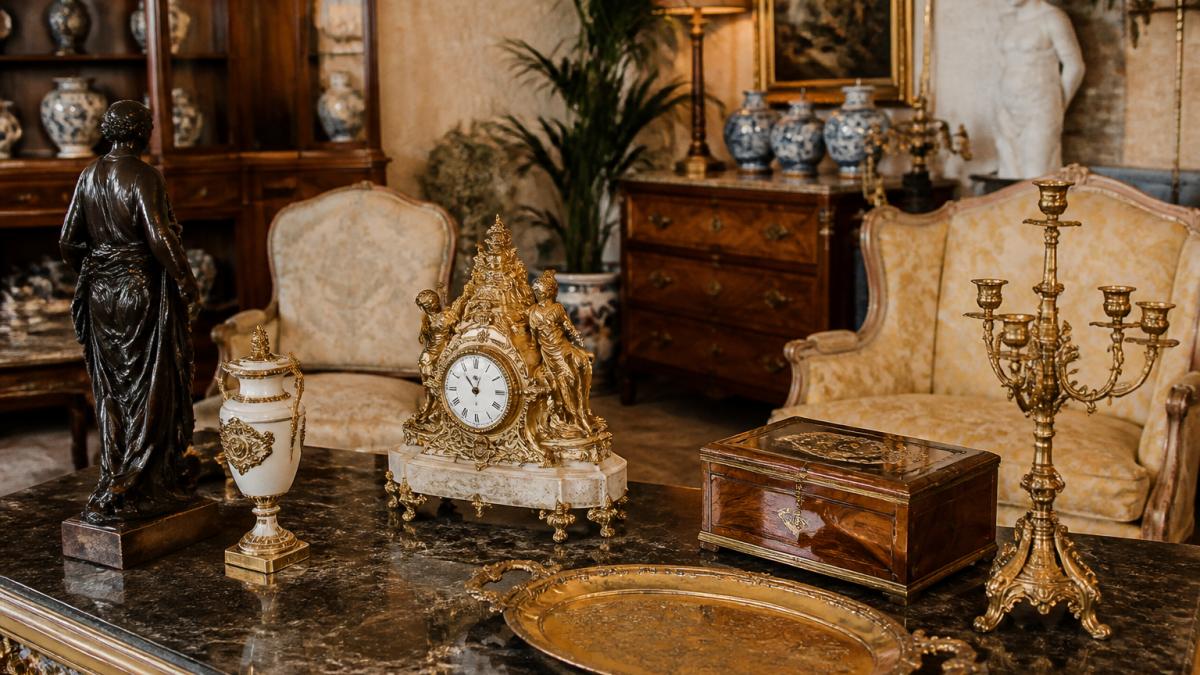
Luxury antique home decor online shop: Explore our luxury antique decor online shop guide for 2026. Learn to verify authenticity, style rare finds.
Table of Contents
Why a Curated Luxury Antique Decor Online Shop Beats the Flea Market
The Difference Between Vintage Charm and True Antique Provenance
How to Verify Antique Furniture Authenticity Before You Buy
Joinery, Patina, and the Marks That Matter
Questions to Ask About Provenance and Documentation
Authentic European Antique Furniture: What Sets It Apart
Regional Signatures Worth Knowing
Construction Clues That Survive Photography
Why Sourcing Beyond the Catalog Matters
Investment Value: Which Period-Specific Pieces Hold Their Worth
Categories That Tend to Hold Value
What Actually Drives Resale
How to Think About Holding Period and Liquidity
Styling Antiques in Modern Interiors Without the Museum Feel
Luxury Home Decor Shipping Best Practices for Fragile Pieces
Caring for Antique Materials: Wood, Gilt, Marble, and Textiles
Frequently Asked Questions
Why a Curated Luxury Antique Decor Online Shop Beats the Flea Market
A luxury antique home decor online shop is a specialist retailer that sells authenticated, provenance-documented European antiques through a digital catalog, often backed by a physical showroom. Old Europe Antique Home Furnishings built its business on exactly that model: a curated selection of pieces dating back to the 16th century, viewable by appointment.
The Difference Between Vintage Charm and True Antique Provenance
Vintage charm describes the look of an older piece. Provenance describes its documented history: who owned it, where it was made, and how it survived.
How to Verify Antique Furniture Authenticity Before You Buy
Verifying antique furniture authenticity means examining construction, surface wear, and maker's marks together, then matching what you find against the seller's documentation. No single check proves authenticity on its own.
Here is a practical sequence:
Inspect the joinery: hand-cut dovetails, pegged mortise-and-tenon joints, and irregular saw marks point to pre-industrial construction.
Study the patina: genuine wear builds up in high-touch areas and thins in protected corners. Uniform wear across every surface is a red flag.
Look for maker's marks, stamps, or labels, then verify the name against a reference source.
Request provenance documents: receipts, auction records, estate inventories, or family letters.
Compare hardware: hinges, locks, and pulls should match the period or show documented later replacement.
Ask about restoration history. Honest sellers disclose it.
Joinery, Patina, and the Marks That Matter
Joinery is the hardest thing to fake at scale. A reproduction shop can age wood, but cutting hundreds of hand dovetails to period tolerances is expensive, so most fakes skip it.
Questions to Ask About Provenance and Documentation
A common mistake is asking vague questions like "Is this old?" Ask instead:
Which country and region was this made in?
What documentation comes with the piece?
Has it been restored, refinished, or repaired?
Can you share prior owner or auction history?
What condition issues exist that photos do not show?
Watch Out
A seller who cannot name the region, period, or prior ownership of a piece is not offering provenance, no matter how confident the listing sounds. Walk away from any purchase where documentation is promised "after" payment.
Authentic European Antique Furniture: What Sets It Apart
Authentic European antique furniture differs from later reproductions in three ways: regional materials, period construction methods, and documented design lineage. A French provincial armoire and a 20th-century copy can look identical in a photograph and nothing alike in hand.
Regional Signatures Worth Knowing
French provincial: walnut, cherry, and fruitwoods rather than imported mahogany; pegged mortise-and-tenon frames; hand-forged iron hinges and escutcheons; carved motifs that are shallow and slightly irregular rather than machine-uniform.
English Georgian and Victorian: mahogany and oak; dovetailed drawer sides; brass hardware that was often replaced over two centuries, so mismatched pulls are not automatically a red flag; documented maker's marks from cabinetmakers working in named workshops.
Italian and Spanish: walnut, olive, and chestnut; heavier proportions; iron strap hinges and nailhead trim; painted and gilded surfaces that were frequently refreshed, which makes original finish rarer and more valuable.
Dutch and Flemish: oak and walnut; marquetry and floral inlay; bun feet and turned legs; a strong tradition of small case pieces that fit modern rooms well.
Construction Clues That Survive Photography
A photograph can hide a replaced drawer bottom but not a joinery system. When you look at a listing, ask the seller for close-ups of:
Drawer sides and bottoms, hand-cut dovetails are irregular, machine-cut ones are uniform.
The back of the case, rough-sawn boards and hand-plane marks are period indicators.
Underside of a table or seat, wear, repairs, and secondary wood species tell a story the top surface does not.
Hardware from behind, original screws are often slotted and hand-cut; modern Phillips-head screws are a replacement tell.
Why Sourcing Beyond the Catalog Matters
For collectors completing a specific period, the real challenge is rarely budget, it is finding the right piece at all. A regional armoire in original condition may surface once or twice a year. For collectors completing a specific period, the real challenge is rarely budget, it is finding the right piece at all. A regional armoire in original condition may surface once or twice a year.
Key Takeaway
Regional identity is not decoration, it is the fastest filter for authenticity. Learn three regional signatures well and you will out-diagnose most casual buyers before you ever see a piece in person.
Investment Value: Which Period-Specific Pieces Hold Their Worth
No honest dealer promises appreciation. What experienced collectors look at instead are the factors that historically support value: rarity, condition, documented provenance, and continuing demand. This section is the part most online antique shops skip, because it requires talking about resale rather than romance.
Categories That Tend to Hold Value
A common pattern among collectors is that value concentrates in categories with a defined buyer pool rather than in decorative pieces with broad but shallow appeal:
Case pieces in original finish: armoires, secretaries, and chests from named regions and periods, especially when the finish and hardware are original even with visible wear.
Documented maker pieces: furniture with a verified workshop mark, signature, or label, backed by a reference source rather than a seller's assertion.
Small, portable antiques: gilt mirrors, bronze candlesticks, and handcrafted boxes travel well, ship cheaply, and appeal to younger buyers furnishing apartments.
Complete sets with paper trails: a single chair is a chair; a documented set of six with auction records is a collectible.
What Actually Drives Resale
Condition drives more of the outcome than period does. A rare piece with a stripped finish often sells for less than a common piece in original condition. Beyond condition, four mechanisms move resale value:
SHOP NOW! →
Scarcity with demand, rare and unwanted is not valuable; rare and sought-after is.
Documentation depth, receipts, auction records, and estate inventories reduce buyer risk, and lower risk supports higher prices.
Original surface, collectors pay a premium for untouched patina and discount aggressively for refinishing.
Form utility, pieces that still work in modern rooms hold demand better than museum-only forms.
How to Think About Holding Period and Liquidity
Antiques are not a liquid asset. A piece may take months to sell through a dealer or auction house, and auction results vary widely by region and season. Buyers who treat antiques as an investment should plan on a long hold, buy the best condition they can afford, and keep every document that comes with the piece.
Pro Tip
Buy the documentation, not the story. A piece with a folder of receipts and auction records will always be easier to resell than an identical piece with a compelling verbal history and nothing on paper.
Watch Out
Past auction results are not a forecast. Two similar pieces can sell a year apart at very different prices depending on condition, provenance, and who happens to be bidding. Treat any appreciation claim as a hypothesis, not a promise.
Styling Antiques in Modern Interiors Without the Museum Feel
A sunlit living room with a modern sofa beside an ornate carved wood antique armoire, a marble-topped console styled with a brass candlestick and fresh flowers, warm neutral walls, wide shot showing how old and new pieces sit together
A sunlit living room with a modern sofa beside an ornate carved wood antique armoire, a marble-topped console styled with a brass candlestick and fresh flowers, warm neutral walls, wide shot showing how old and new pieces sit together
Practical approaches that work:
Pair one ornate piece with clean-lined modern furniture so each has room to breathe.
Use antique decor accents, such as a gilt mirror or a handcrafted trinket box, to add warmth without dominating.
Keep the color palette quiet so patina and craftsmanship read clearly.
Mix one period-specific piece per room. Let the rest of the room stay contemporary.
Luxury Home Decor Shipping Best Practices for Fragile Pieces
Luxury home decor shipping best practices for fragile pieces come down to three things: custom crating, climate-aware packing, and insured transit with a documented condition report before the item leaves.
Material-by-material guidance:
Wood: Keep relative humidity steady, avoid direct sun, and dust with a soft dry cloth. Skip silicone polishes, which build up and are hard to reverse.
Gilt: Never wipe with a damp cloth. Loose gold leaf lifts easily. Use a soft brush only, and call a conservator for losses.
Marble: Blot spills immediately. Acidic liquids etch the surface permanently. Use coasters and felt pads under everything.
Textiles: Keep out of direct light, rotate displays, and vacuum only through a screen at low suction.
Frequently Asked Questions
How can you verify the authenticity of antiques purchased online?
Ask for detailed photographs of joinery, hardware, and any maker's marks, plus a written description of the piece's provenance. Genuine antiques show hand-cut dovetails, irregular patina, and wear patterns consistent with age. Request documentation such as receipts, auction records, or family history. A reputable luxury antique decor online shop will answer these questions before you buy and stand behind its descriptions in writing.
What should you look for when buying high-end antique furniture online?
Focus on four things: condition reports that list every repair, close-up photos of veneer and upholstery, dimensions in centimeters and inches, and a clear return policy. Ask whether the finish is original or restored, since restoration affects both value and how the piece ages. For authentic European antique furniture, confirm the country and approximate date of origin rather than accepting a vague 'European' label.
Are online antique stores reliable for shipping fragile items?
Reliability depends on the shipper, not the storefront. Luxury home decor shipping best practices include custom crating, foam-braced corners, climate-aware routing, and full insurance with white-glove delivery for large pieces. Ask who handles the shipment, whether the crate is built to the piece's dimensions, and what happens if damage occurs in transit. Get those answers in writing before you pay.
What is the difference between vintage and antique home decor?
Antique generally means an item at least 100 years old, while vintage covers pieces from roughly 20 to 99 years old. That distinction matters for value, since true antiques carry design heritage and scarcity that mid-century vintage rarely matches. A period-specific 18th-century commode and a 1970s side table are both collectible, but only one is an antique in the traditional sense.
Authentic antiques reward patience, and the buying process should feel as considered as the pieces themselves. Old Europe Antique Home Furnishings offers a curated selection of European antiques dating back to the 16th century, with a showroom available for viewing by appointment and expert sourcing for collectors hunting specific periods. Get started with Old Europe Antique Home Furnishings and find a piece that earns its place in your home.