


Buy Heirloom Quality Antique Home Furnishings
Table of Contents
- What Makes Antique Furniture Heirloom Quality
- How to Identify Antique Furniture Authenticity
- Antique Furniture Condition Checklist Before Purchase
- Curated Selection of Vintage and Antique Furniture Styles
- Shipping Antique Furniture Safely and Securely
- Pricing, Value, and Long-Term Investment
- Buying with Confidence: What Sets Quality Dealers Apart
- Conclusion
- Frequently Asked Questions
Last Updated: October 10, 2026
What Makes Antique Furniture Heirloom Quality
Heirloom quality antique home furnishings represent far more than old pieces of wood and fabric. These are objects built to outlast generations, crafted with materials and methods that modern manufacturing has largely abandoned.
The difference between heirloom quality and merely "old" furniture comes down to intentionality. A piece becomes heirloom quality when its maker invested in durability as a core principle. Hand-selected wood, mortise-and-tenon joinery, hand-carved details, and finishes applied over multiple stages all signal that the craftsperson expected the piece to survive centuries.
When you buy heirloom quality antique home furnishings, you're acquiring objects with documented histories. Many pieces carry provenance, records of previous owners, restoration work, or historical significance that add both financial and emotional value. This documentation matters because it transforms a chair or table from a decorative object into a tangible connection to the past.
How to Identify Antique Furniture Authenticity
Authenticity in antique furniture rests on three pillars: materials, construction methods, and provenance documentation. Without all three, you're buying a reproduction, no matter how old the piece appears.
Materials and Construction Methods
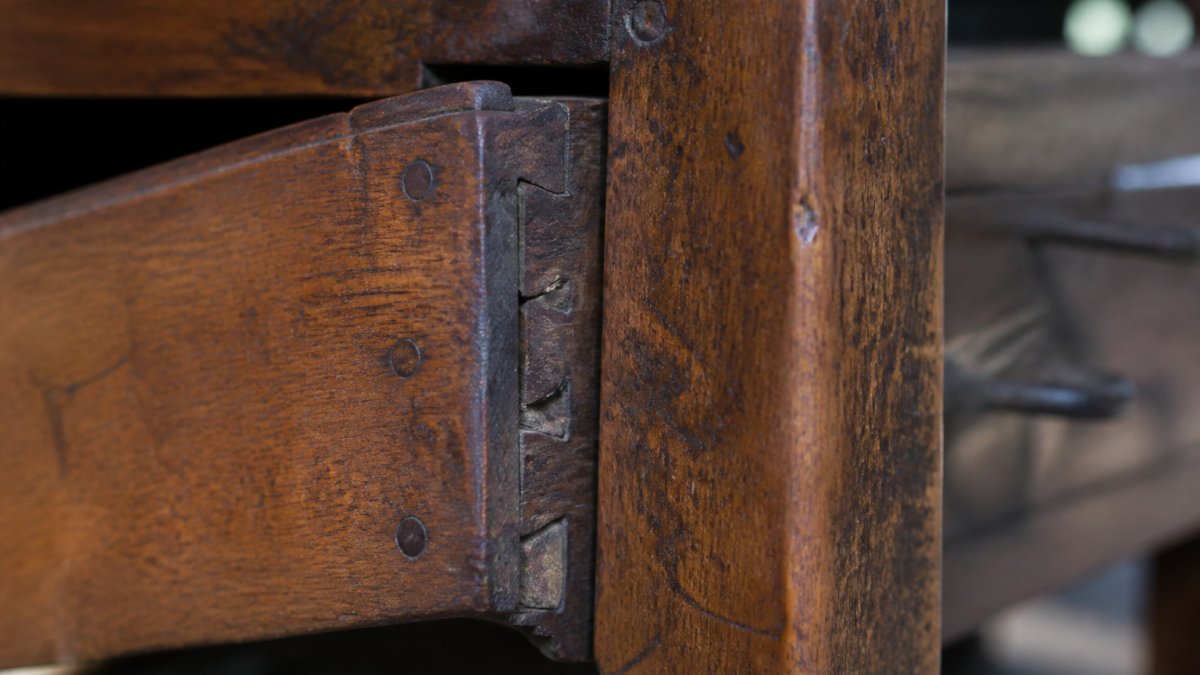
Genuine antique furniture reveals its age through materials that modern makers rarely use. Solid wood throughout the frame, not plywood, particleboard, or veneered substrates, indicates authentic construction.
Hand-joinery is the single most reliable authenticity marker. Mortise-and-tenon joints, dovetail joints, and hand-cut joinery show irregular spacing and slight variations that machine-cut joints never replicate. Machine-cut dovetails appear perfectly uniform.
Finishes tell stories too. Original finishes on antique furniture show wear patterns consistent with use, darker patina in crevices, lighter wear on high-contact surfaces, and natural aging of stains and varnishes.
Hardware and fasteners matter as well. Antique furniture features hand-forged nails with irregular heads, hand-cast brass handles, and period-appropriate hardware that matches manufacturing dates.
Provenance and Documentation
Documentation transforms a beautiful old chair into a historically significant piece. Provenance includes auction house catalogs, previous ownership records, restoration reports, and certificates of authenticity from recognized dealers or auction houses.
When you buy heirloom quality antique home furnishings with verified provenance, you gain several advantages. First, you know the piece's journey, where it originated, who owned it, and any restoration work completed. Second, documented pieces appreciate more reliably because future buyers can verify authenticity without relying on visual inspection alone. Third, insurance and appraisals become straightforward when documentation exists.
Ask sellers for specific provenance information: Where was the piece acquired? Has it been professionally appraised? Does it appear in any auction house catalogs or dealer inventories? Legitimate dealers like Old Europe Antique Home Furnishings maintain detailed records for significant pieces and willingly share that information.
Antique Furniture Condition Checklist Before Purchase
Condition directly impacts both the value and usability of antique furniture. A structural problem that costs $800 to repair can eliminate $2,000 from resale value. Before committing to any purchase, work through this condition assessment:
Structural Integrity
- Does the frame feel solid when you apply gentle pressure? Loose joints, wobbling legs, or creaking indicate repairs needed.
- Check for woodworm or insect damage, small holes in wood surfaces suggest past or active infestation.
- Examine drawers: do they slide smoothly without binding? Swollen wood or misaligned runners require professional adjustment.
- Test door hinges and latches. Do doors close properly without gaps?
Surface Condition
- Scratches, dents, and wear are expected on antique pieces. Distinguish between patina (desirable aging) and damage requiring refinishing.
- Water rings and stains can sometimes be removed; deep gouges and burns are permanent.
- Veneer separation or bubbling indicates moisture damage and requires professional restoration.
- Upholstered pieces: check for sagging springs, torn fabric, and stains that won't respond to cleaning.
Hidden Issues
- Remove cushions and inspect underneath for pest damage or structural problems.
- Look underneath tables and chairs for repairs, reinforcements, or modifications that reduce authenticity.
- Check the back of cabinets and dressers for signs of water damage or pest activity.
Curated Selection of Vintage and Antique Furniture Styles
Victorian and Mid-Century Periods
Victorian furniture, spanning roughly 1837 to 1901, emphasizes ornate design and heavy construction. Hand-carved details, turned legs, and elaborate hardware define the style. Look for pieces featuring mahogany, walnut, or rosewood with original finishes showing appropriate patina. Victorian pieces command premium prices when original upholstery and hardware remain intact.
Mid-century modern furniture (1930s-1960s) represents the opposite aesthetic: clean lines, minimal ornamentation, and functional design. Teak, walnut, and oak dominate mid-century construction. Scandinavian designers like Hans Wegner and Arne Jacobsen created pieces that combine beauty with everyday usability. Mid-century antique home furnishings appeal to contemporary buyers because the design language feels modern despite the pieces' age.
The key distinction: Victorian pieces work best in spaces designed to showcase their ornamental qualities. Mid-century pieces integrate seamlessly into modern interiors. When you buy heirloom quality antique home furnishings, consider how the style aligns with your existing décor and lifestyle.
Reclaimed Wood and Architectural Salvage
Reclaimed wood furniture and architectural salvage represent a sustainable approach to antique home furnishings. These pieces incorporate wood from demolished buildings, old barns, or deconstructed structures, giving them authentic history and unique character.
A reclaimed wood dining table might feature boards from a 1920s warehouse floor, complete with original nail holes and saw marks. Architectural salvage includes ornate mantels, stained glass windows, decorative corbels, and hand-carved panels that add distinctive character to any room.
The appeal extends beyond aesthetics. Choosing reclaimed materials supports sustainable practices, you're preventing waste while acquiring one-of-a-kind pieces. Reclaimed wood often displays grain patterns and color variations impossible to replicate in new lumber.
Shipping Antique Furniture Safely and Securely
Shipping antique furniture presents unique challenges. These pieces are fragile, valuable, and irreplaceable. Professional shipping services specializing in antique furniture understand how to protect items during transit.
Proper packing requires more than bubble wrap. Antique furniture needs custom crating, climate-controlled transport, and insurance coverage matching the piece's appraised value.
When you buy heirloom quality antique home furnishings online or from distant dealers, clarify shipping terms before purchase. Ask whether the seller arranges shipping or whether you're responsible for coordinating logistics. Understand what happens if damage occurs during transit. Reputable dealers carry insurance and stand behind their shipments.
For large pieces like dressers, tables, or cabinets, white-glove delivery services position items precisely in your home and handle assembly if needed. This costs more upfront but prevents damage that could cost thousands to repair.
Pricing, Value, and Long-Term Investment
Antique furniture pricing depends on multiple factors: period, style, condition, materials, provenance, and current market demand.
When you buy heirloom quality antique home furnishings, understand the difference between purchase price and long-term value. Some pieces appreciate over time, particularly those by recognized designers, made from premium materials, or representing important historical periods.
Transparent pricing from reputable dealers reflects honest condition assessments and fair market value. If a piece seems dramatically underpriced, investigate why. Missing documentation, hidden damage, or authenticity questions often explain bargain pricing. Conversely, premium pricing should correlate with exceptional condition, strong provenance, and rarity.
Consider your purchase as both a functional investment and an aesthetic one. The best antique furniture investments are pieces you genuinely love and will use regularly. This ensures you enjoy the piece while it potentially appreciates, rather than storing a speculative purchase that never brings satisfaction.
Buying with Confidence: What Sets Quality Dealers Apart
The difference between purchasing from a quality dealer and taking a risk with an unknown seller extends far beyond price. Reputable antique furniture dealers maintain transparent practices, detailed records, and genuine expertise.
Quality dealers provide comprehensive condition reports before purchase. They photograph pieces from multiple angles, document any repairs or restoration, and honestly describe wear and damage.
Old Europe Antique Home Furnishings exemplifies this approach. Our curated selection of authentic European antiques spans from the 16th century to mid-century modern, with each piece thoroughly vetted for authenticity and condition.
Beyond product knowledge, quality dealers understand that buying antique furniture involves trust. They offer clear return policies, explain shipping procedures thoroughly, and stand behind their merchandise.
When evaluating any dealer, consider their expertise depth. Can they discuss wood species, joinery techniques, and period-appropriate hardware with specificity? Do they acknowledge limitations in their knowledge?
Ask whether the dealer has physical showroom space.
Conclusion
Acquiring heirloom quality antique home furnishings is an investment in timeless design, superior craftsmanship, and pieces with genuine stories. The process requires attention to authenticity, condition, provenance, and dealer reputation, but the reward is owning furniture that will outlast trends and potentially appreciate in value.
Old Europe Antique Home Furnishings brings European antique expertise directly to collectors and designers. With a carefully curated selection of authentic pieces dating back to the 16th century and a commitment to transparent documentation and condition assessment, we help you build collections that reflect both your aesthetic vision and your values around sustainability and craftsmanship. Explore our showroom by appointment or browse our online catalog to discover the heirloom quality pieces that will define your home for generations.
Authenticity Factor |
What to Check |
Why It Matters |
|---|---|---|
Materials |
Solid wood species appropriate to period |
Determines durability and value |
Joinery |
Hand-cut mortise-and-tenon or dovetail joints |
Proves traditional construction |
Finishes |
Organic patina with wear patterns matching use |
Indicates age and originality |
Hardware |
Hand-forged nails, hand-cast brass |
Confirms period authenticity |
Provenance |
Auction catalogs, ownership records, appraisals |
Supports value and resale potential |
Condition |
Structural integrity, surface wear, hidden damage |
Affects usability and restoration costs |
Frequently Asked Questions
How can you tell if antique furniture is authentic?
Authentic antique furniture shows specific markers: hand-cut joinery (no machine saw marks), period-appropriate wood species, and natural aging patina that cannot be artificially replicated. Check for hand-forged hardware, original finish wear patterns, and construction methods consistent with the claimed era. Reputable dealers provide documentation of provenance and will explain the piece's history. Request high-resolution photos of joints, hardware, and underside details before purchasing online.
What should you check before buying heirloom quality antique furniture online?
Verify the seller's return policy, authentication credentials, and shipping insurance coverage. Request detailed photos from multiple angles, including joints, hardware, and any repairs or restoration. Ask about the piece's condition, previous ownership, and any restoration work completed. Confirm dimensions, wood type, and period of manufacture. Check for certificates of authenticity and ask whether the dealer will provide written documentation of the item's provenance and age.
Is antique furniture a good investment?
Heirloom quality antique furniture can appreciate over time, particularly pieces from recognized periods (Victorian, mid-century, Arts and Crafts) made from quality hardwoods like walnut, mahogany, and teak. Value depends on rarity, condition, craftsmanship, and documented provenance. Pieces with historical significance or unusual design command higher prices. However, investment success requires purchasing from reputable sources, maintaining pieces properly, and understanding market trends. Pieces bought for personal enjoyment that also hold or increase value provide dual benefit.
What is the 100-year rule for antiques?
The 100-year rule is a common guideline stating that items must be at least 100 years old to qualify as antiques rather than vintage or collectibles. Items from approximately 1926 or earlier meet this definition. However, some dealers and collectors use different thresholds; pieces from the 1950s-1970s (mid-century) are highly valued despite being less than 100 years old. Age alone does not determine value—craftsmanship, materials, condition, and rarity matter equally for heirloom quality furnishings.
American Furniture Manufacturers Association guidelines on furniture construction standards
Smithsonian Institution's guide to antique furniture identification and conservation
National Antique and Art Dealers Association standards for authenticity and dealer practices