


Authentic French Provincial Furniture for Sale: A Buyer's Guide
Table of Contents
- What Makes French Provincial Furniture Authentic
- How to Identify Authentic French Provincial Furniture
- French Provincial Furniture Buying Guide
- Understanding French Provincial Furniture Value
- Antique French Country Furniture: Style Distinctions and Selection
- Safe Online Purchasing and Seller Verification
- Where to Find Authentic French Provincial Furniture for Sale
- Frequently Asked Questions
Last Updated: October 10, 2026
What Makes French Provincial Furniture Authentic
Authentic French provincial furniture for sale represents a specific era and craft tradition spanning the 17th through 19th centuries. This style emerged from the rural regions of France, distinct from the ornate court furniture of Paris. At Old Europe Antique Home Furnishings, we offer pieces that capture this distinctive aesthetic, characterized by hand-carved details, natural wood finishes, and functional elegance.
The term "French provincial" refers to furniture made in the provinces rather than at the royal court. These pieces reflect regional variations, local materials, and the practical needs of country estates. Unlike formal Parisian furniture, provincial pieces balance refinement with rustic charm, making them highly sought by collectors and homeowners alike.
Louis XV and Louis XVI Design Influences
French provincial furniture draws heavily from two royal design periods, though interpreted through a rural lens. Louis XV style, prevalent from 1715-1774, introduced curved lines, rocaille (shell-like) ornamentation, and lighter proportions. Provincial craftsmen adapted these elements using local woods and simplified carving techniques.
Louis XVI style, dominant from 1774-1792, brought straighter lines, geometric patterns, and neoclassical influences. Provincial versions maintained the refined proportions but often incorporated local design preferences and available materials.
The key difference lies in execution. Royal court furniture showcased elaborate marquetry, gilding, and exotic materials. Provincial interpretations used regional woods, walnut, oak, chestnut, with hand-carved details that showed the maker's skill without excess. This restraint is precisely what makes French provincial furniture enduringly appealing.
Materials and Construction Methods
Authentic French provincial furniture employs specific materials and joinery techniques that modern reproductions often miss. Regional craftsmen selected woods based on local availability: walnut dominated southern regions, while oak and chestnut appeared in other areas. These woods age beautifully, developing rich patinas that no stain can replicate.
Hand-joinery defines authentic construction. Mortise-and-tenon joints, dovetails, and wooden pegs hold pieces together, never nails or modern fasteners. The wood shows tool marks from hand planes and chisels. Drawers slide on wooden runners, not metal glides.
Finish work also signals authenticity. Original pieces typically feature wax or oil finishes that patinated over centuries. Lacquered finishes, cream, pale green, or soft blue, appear on some provincial pieces, particularly later examples.
How to Identify Authentic French Provincial Furniture
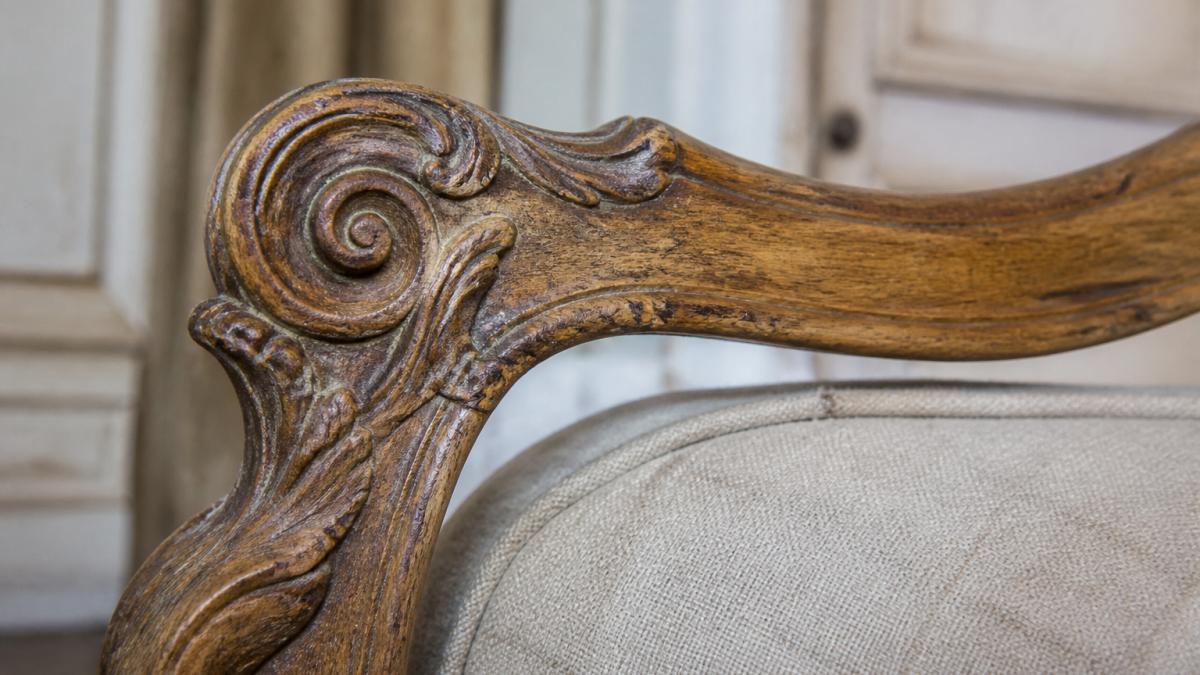
Identifying authentic French provincial furniture requires examining construction, materials, and wear patterns. A common mistake is assuming that ornate carving equals authenticity, actually, provincial pieces show restraint compared to court furniture. The carving should appear hand-executed, with slight irregularities that machines cannot replicate.
Signs of Age and Wear
Authentic age shows in specific, predictable ways. Wood shrinkage over centuries creates visible gaps in tabletops and panel joints. Drawers fit loosely, their runners worn smooth from repeated use.
Finish wear tells a story. Lacquered pieces show craquelure, fine cracks in the finish, and color loss at edges and high-traffic areas. Waxed finishes display uneven darkening and surface scratches from centuries of polishing. The wood beneath shows through worn spots, revealing the original color.
Tool marks provide crucial evidence. Hand planes leave subtle, slightly irregular surfaces. Machine-planed wood appears uniformly smooth. Saw marks on the back of panels show whether a piece predates or postdates industrial sawing. Nails should be hand-forged with irregular heads, never uniform modern nails.
Documentation and Provenance
Provenance, the documented history of ownership, adds significant value and authenticity verification. Pieces with clear provenance from respected collections or estates command higher prices and greater confidence. Documentation might include auction house catalogs, insurance appraisals, or family records.
When examining a piece, ask for available documentation. Reputable dealers can explain a piece's history and provide details about its origin region, estimated construction date, and any restoration work performed. Absence of documentation doesn't necessarily indicate inauthenticity, but strong provenance strengthens confidence.
Restoration history matters. Honest dealers disclose repairs: replaced legs, reupholstered seats, or refinished surfaces. These interventions don't negate authenticity but should be reflected in pricing. Undisclosed restoration represents a red flag, if a dealer hides work, what else might they misrepresent?
French Provincial Furniture Buying Guide
Purchasing French provincial furniture for sale requires balancing authenticity, condition, style preference, and budget. Understanding what to evaluate prevents costly mistakes and ensures you acquire pieces that appreciate rather than disappoint.
Evaluating Condition and Restoration Needs
Condition directly impacts both price and long-term satisfaction. Minor wear, surface scratches, slight finish loss, loose joints, is normal and expected in period pieces. These issues typically cost little to address. Structural problems, broken joints, warped panels, or woodworm damage, require professional restoration and significantly affect value.
Before purchasing, inspect thoroughly. Sit in chairs to test stability. Open all drawers and doors. Look underneath for repairs or signs of pest damage. Run your hand along surfaces to feel for roughness or veneer lifting.
Consider whether you want museum-quality condition or lived-in authenticity. A piece showing appropriate wear for its age often costs less and feels more genuine than heavily restored examples. Conversely, if you plan to use furniture daily, minor restoration might be worth the investment for improved functionality.
What to Look for in Bedroom and Dining Furniture
Bedroom pieces, beds, armoires, nightstands, demonstrate regional styles clearly. French provincial beds often feature simple frames with hand-carved footboards. Armoires showcase the maker's skill through paneled doors and decorative hardware.
Dining furniture reveals functional elegance. Tables feature turned or tapered legs, often with a simple apron. Chairs balance comfort with refined proportions, typically with rush or upholstered seats. Buffets and servers display the restraint characteristic of provincial style, useful storage without excessive ornamentation.
When evaluating dining pieces, assess whether they suit your space and lifestyle. A dining table should work with your existing décor. Chairs should be comfortable enough for regular use. Buffets and servers provide storage while contributing to room aesthetics. Quality construction ensures these pieces function well for decades.
Understanding French Provincial Furniture Value
Pricing for French provincial furniture for sale varies dramatically based on age, rarity, condition, and regional origin. Understanding value factors helps you make informed decisions and recognize genuine opportunities.
Price Factors: Age, Rarity, and Condition
Age significantly influences value. Pieces from the 18th century command higher prices than 19th-century examples. However, rarity sometimes outweighs age, an uncommon 1880s piece might cost more than a common 1750s example. Regional origin matters too.
Condition profoundly affects pricing. Museum-quality pieces with minimal restoration cost substantially more than examples requiring work. However, a well-executed restoration can justify higher prices if the work is professional and transparent.
Rarity within a category influences value. Common dining chairs cost less than rare secretaires or unusual forms. Complete sets command premiums over individual pieces. Unusual woods or exceptional carving add value.
Pricing depends on quantity, dates, and delivery. For specific current pricing on French provincial furniture for sale, visit Old Europe Antique Home Furnishings's website or contact the team directly for quotes on particular pieces.
Antique French Country Furniture: Style Distinctions and Selection
Understanding the relationship between French provincial and French Country styles prevents confusion and ensures you select pieces matching your aesthetic goals.
French Country vs. French Provincial: What's the Difference
French Country represents a broader aesthetic category encompassing rustic, farmhouse-inspired furniture from rural France. French provincial furniture comprises a specific subset, pieces made in provincial regions during the 17th-19th centuries, reflecting formal design movements adapted to rural contexts.
The distinction matters practically. French Country style includes reproductions and modern interpretations inspired by historical pieces. Authentic French provincial furniture for sale consists of original period pieces. French Country embraces worn finishes and rustic charm as design features; French provincial values refined proportions and skilled craftsmanship balanced with practicality.
When shopping, clarify whether you seek authentic period pieces or French Country-inspired furniture. Authentic provincial pieces cost significantly more but offer historical value and investment potential. French Country reproductions provide aesthetic appeal at lower price points without the authenticity premium.
Living Room, Tables, and Seating Options
Living room furniture in French provincial style emphasizes conversation and comfort. Settees and sofas feature curved arms, tapered legs, and typically upholstered seats and backs. Occasional chairs balance formality with livability.
Tables deserve particular attention. Console tables with marble tops and carved bases serve decorative functions. Dining tables range from simple rectangular forms to more elaborate examples with extensions. Small tables, nightstands, occasional tables, showcase craftsmanship in compact form, making them accessible entry points for collectors.
Seating spans formal to casual. Bergère chairs feature upholstered sides and back. Fauteuils offer open sides for easier access. Rush-seated chairs provide rustic charm and durability. When selecting seating, consider both aesthetics and comfort, French provincial pieces should be beautiful and functional.
Safe Online Purchasing and Seller Verification
Buying French provincial furniture for sale online requires caution. Verify seller credibility, understand return policies, and take precautions against misrepresentation.
Shipping, Delivery, and Damage Prevention
Shipping antique furniture presents real risks. Quality dealers use professional packers experienced with period pieces. Proper packing involves custom crating, internal bracing, and protective materials. Request detailed shipping quotes before committing to purchase.
Insurance matters critically. Verify that shipping includes full-value insurance protecting against damage or loss. Understand insurance claim procedures and documentation requirements. Photograph pieces upon arrival before accepting delivery, noting any damage immediately.
Delivery options vary. Some dealers offer white-glove service including placement in your home. Others ship via common carriers with less specialized handling. Understand what's included and what additional services cost.
When purchasing from reputable dealers, ask about damage prevention measures and insurance coverage. Established dealers prioritize safe delivery because their reputation depends on customer satisfaction.
Where to Find Authentic French Provincial Furniture for Sale
Finding quality pieces requires knowing where to look. Reputable dealers, established auction houses, and vetted online marketplaces offer the best opportunities for authentic French provincial furniture for sale.
Old Europe Antique Home Furnishings provides a curated selection of authentic European antiques, including French provincial pieces dating back to the 16th century.
When evaluating any dealer, look for clear descriptions, detailed photography, and honest condition assessments. Established dealers provide documentation, explain their authentication process, and stand behind their representations.
Finding authentic French provincial furniture for sale represents an investment in timeless elegance and historical craftsmanship. Whether you're furnishing a room or completing a collection, understanding authenticity markers, evaluating condition, and purchasing from reputable sources ensures you acquire pieces that bring lasting satisfaction.
Frequently Asked Questions
How can you tell if French Provincial furniture is antique?
Authentic antique French provincial furniture shows specific markers of age: hand-cut joinery, natural wood patina, period-appropriate hardware, and wear patterns consistent with decades of use. Check for signs like hand-planed surfaces, nail holes from original construction, and finishes that have aged naturally rather than applied artificially. Examine the underside of pieces, reproductions often show modern fasteners or uniform machine marks. Request documentation of provenance and consider having a specialist authenticate high-value pieces before purchase.
What is the difference between French Provincial and French country furniture?
French Provincial refers to formal furniture styles influenced by Louis XV and Louis XVI court designs, featuring ornate carvings, curved lines, and refined details. French Country is broader and more rustic, emphasizing natural wood finishes, simpler construction, and pastoral charm. Provincial pieces typically use lacquered or painted finishes in cream and pastels, while Country furniture celebrates raw wood grain. Both are elegant and historical, but Provincial suits formal interiors while Country works better in relaxed, farmhouse-inspired spaces.
Is French Provincial furniture valuable?
Yes, authentic French Provincial furniture holds significant value, particularly 18th and 19th century pieces. Value depends on age, rarity, condition, and provenance. Pieces from the Louis XV and Louis XVI periods command premium prices, especially if they show original craftsmanship and minimal restoration. Well-documented antiques appreciate over time, making them both aesthetic and investment-worthy purchases. However, 20th century reproductions and heavily restored pieces have lower value. Condition matters greatly, furniture requiring extensive restoration costs more to restore than its market value may justify.
What should I look for when buying antique French Provincial furniture?
Prioritize authenticity by verifying age, materials, and construction methods. Inspect wood type, joinery, and hardware against period standards. Evaluate condition honestly, note needed repairs and restoration costs. Request detailed photos, measurements, and documentation of provenance. Confirm shipping and delivery logistics, especially for large pieces. Verify the seller's reputation and return policy before committing. Consider whether the piece fits your space and collection goals. For high-value acquisitions, invest in professional authentication or appraisal to ensure you're purchasing genuine period furniture at fair market value.