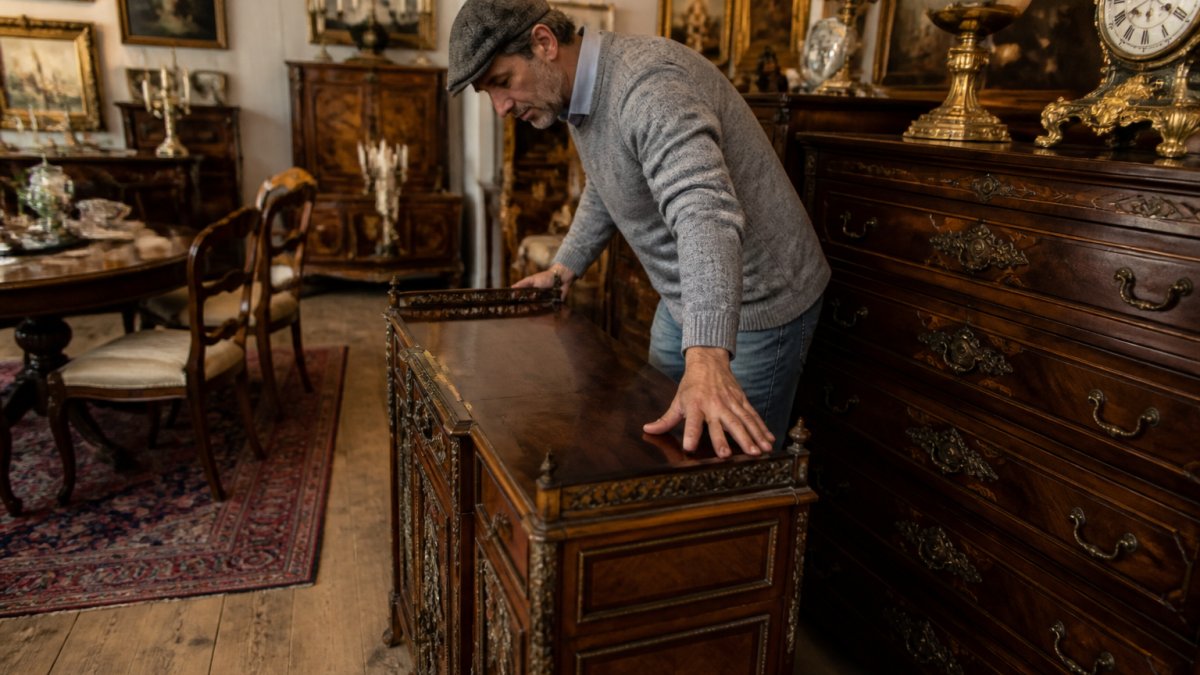
Find authentic European antique furniture dealers specializing in period pieces, rare collectibles, and investment-grade originals. Learn how to verify.
Table of Contents What Makes a Dealer Authentic How to Verify Antique Furniture Authenticity Examining Joinery and Construction Checking Patina and Wood Grain Requesting Provenance Documentation Best Practices for Antique Furniture Investment Focusing on Historical Significance and Rarity Understanding Investment-Grade Criteria Regional Styles and Periods That Hold Value 18th-Century and 19th-Century European Furniture Art Deco, Biedermeier, and Renaissance Revival Care and Maintenance of Antique Wood Furniture Protecting Veneer, Gilding, and Hand-Carved Details Restoration vs. Preservation Sourcing Authentic Pieces and Avoiding Reproductions Working with Reputable Dealers and Auction Houses Red Flags in Reproduction Furniture Sustainability and the Case for Vintage Over New
Frequently Asked Questions
Last Updated: October 1, 2026
What Makes a Dealer Authentic An authentic antique furniture dealer has verifiable expertise, transparent sourcing practices, and a commitment to accuracy. The difference between a trustworthy dealer and a questionable one often comes down to how they document their pieces and stand behind their claims.
True expertise shows in the details. Authentic dealers can explain the construction methods, historical context, and regional origins of their inventory. They understand joinery techniques, wood types, and period-specific design elements. When you ask about a piece, they should provide specific information, not vague descriptions.
Transparency matters equally. Reputable dealers disclose condition issues honestly. They explain restoration work that's been done and distinguish between original finishes and refinished surfaces. At Old Europe Antique Home Furnishings, we believe that educated buyers make better decisions, which is why we provide provenance documentation for our curated selection of European antiques.
Documentation is your protection. Legitimate dealers maintain records of acquisition, previous ownership, and any authentication work. They can trace a piece's history and explain how it entered their collection. This paper trail, or digital record, separates serious dealers from casual sellers.
How to Verify Antique Furniture Authenticity Verification requires hands-on examination and detective work. Start by looking at construction, patina, and provenance documentation. These three elements together tell you whether a piece is genuinely period or a clever reproduction.
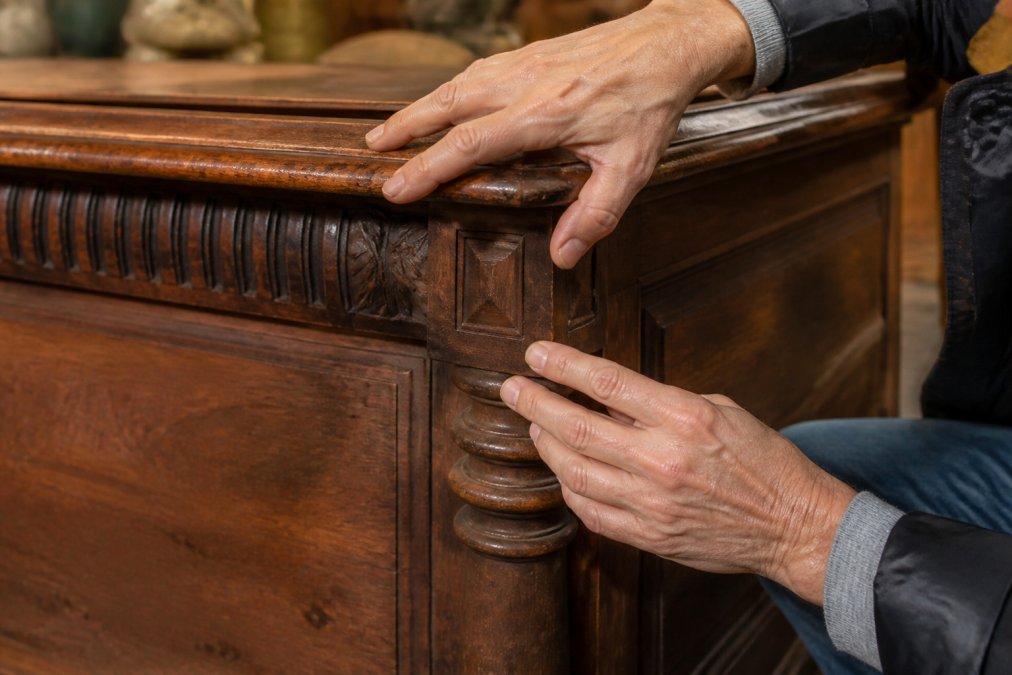
Close-up of hands examining antique wood joinery and hand-carved details on period furniture, showing grain patterns and construction techniques under natural light Close-up of hands examining antique wood joinery and hand-carved details on period furniture, showing grain patterns and construction techniques under natural light Examining Joinery and Construction The way a piece is built reveals its age. Authentic period furniture uses joinery methods specific to its era. Hand-cut dovetails, mortise-and-tenon joints, and wooden pegs are hallmarks of 18th- and 19th-century construction. Modern reproductions often use screws, dowels, or machine-cut joints that don't match the period.
Look underneath and inside drawers. Original pieces show saw marks, tool marks, and wood wear patterns consistent with age. The wood itself should show varied grain and color variation across surfaces, machine planing creates uniformity that doesn't occur naturally over centuries.
Nails tell a story. Antique furniture predating the 1890s uses hand-forged nails with irregular shapes. Machine-cut nails appear around the 1890s. Wire nails come later. Finding the wrong nail type in a supposedly 18th-century piece is a red flag.
Checking Patina and Wood Grain Patina is the accumulated finish that develops over decades or centuries. It's nearly impossible to fake convincingly. Authentic patina shows uneven wear, color variation, and subtle surface irregularities that reflect actual use.
Run your hand across surfaces. Real patina feels smooth in high-traffic areas and slightly rough in protected spots. The wood grain should show natural movement, checking, slight warping, or dimensional changes from humidity fluctuations over time. These imperfections are actually proof of authenticity.
Color inconsistency is your ally. Genuine antique wood shows variation in tone across the piece. Drawers interiors often look different from exterior surfaces. Underside wood typically appears lighter and less finished than visible surfaces. Reproductions are often stained uniformly to appear aged.
Requesting Provenance Documentation Provenance is the documented history of ownership and location. Strong provenance increases value and confidence. Ask dealers for written records showing where the piece came from, who owned it previously, and how it was acquired.
Complete provenance includes: previous owner names and dates, locations where the piece was displayed, any auction house records, and documentation of restoration or conservation work. This creates an unbroken chain of custody that's difficult to forge.
Red flags appear when dealers can't explain a piece's origins. Vague answers like "estate sale" or "private collection" without specifics suggest incomplete research. Legitimate dealers investigate their inventory thoroughly and can provide detailed histories.
Best Practices for Antique Furniture Investment Investing in antique furniture requires strategy. Not every old piece appreciates in value. Focus on factors that determine long-term worth: historical significance, rarity, condition, and market demand.
Focusing on Historical Significance and Rarity Historical significance drives collector interest. Pieces associated with important makers, movements, or periods command premium prices. An 18th-century chair by a documented craftsman is worth more than an unmarked chair from the same era.
Rarity matters enormously. Common Victorian parlor chairs are plentiful and affordable. A rare Renaissance Revival cabinet with intact original gilding and hand-carved details is investment-grade. Scarcity combined with quality creates sustained demand.
Research the maker if possible. Signed pieces or those documented in design histories carry higher values. Regional styles from specific periods, like Biedermeier furniture from early 19th-century Austria or German Renaissance Revival pieces, attract serious collectors willing to pay for authenticity and craftsmanship.
Understanding Investment-Grade Criteria Investment-grade furniture meets specific standards. The piece must be structurally sound despite its age. Major repairs or replacements reduce value significantly. Original components, drawers, hardware, veneers, and upholstery frames, are worth more than pieces with substantial replacements.
SHOP NOW! →
Condition assessment is critical. Minor wear and patina are acceptable and expected. Structural integrity matters most: solid joinery, stable wood, and no active pest damage. Pieces requiring extensive restoration are speculative investments.
Market demand determines liquidity. Authenticated pieces from recognized periods and styles sell more readily. Obscure regional furniture or pieces from minor makers may be difficult to resell. Consider whether collectors actively seek the style and period you're purchasing.
Regional Styles and Periods That Hold Value European antique furniture from specific periods and regions consistently attracts collectors and investors. Understanding these markets helps you identify pieces with lasting appeal.
18th-Century and 19th-Century European Furniture The 18th century produced some of the most coveted furniture styles. French Louis XVI pieces, English Chippendale and Hepplewhite designs, and Italian neoclassical furniture remain highly sought. These periods represent peak craftsmanship and design innovation.
19th-century European furniture offers more accessible entry points. English Victorian pieces, French Second Empire furniture, and German Biedermeier designs remain popular with collectors. These periods show remarkable diversity in style and construction quality.
Specific forms hold value better than others. Dining tables, sideboards, secretary desks, and bedroom furniture from these periods are more desirable than occasional pieces.
Art Deco, Biedermeier, and Renaissance Revival Art Deco furniture from the 1920s-1930s appeals to modern collectors seeking geometric forms and exotic materials. Authenticated pieces by known designers appreciate steadily. The style's influence on contemporary design keeps demand strong.
Care and Maintenance of Antique Wood Furniture Proper care preserves value and extends the life of antique pieces. The goal is stabilization and protection, not transformation.
Protecting Veneer, Gilding, and Hand-Carved Details Veneer requires careful handling. Avoid direct sunlight, which causes color fading and veneer separation. Maintain consistent humidity levels, wood movement from humidity fluctuations stresses veneer bonds. Use furniture pads under legs to prevent scratching and allow air circulation.
Restoration vs. Preservation Preservation maintains current condition without intervention. Restoration involves repairs or refinishing. These approaches have different implications for value and authenticity.
Sourcing Authentic Pieces and Avoiding Reproductions Finding genuine antique furniture requires knowing where to look and what to avoid. The market includes everything from exceptional authenticated pieces to convincing reproductions designed to deceive.
Working with Reputable Dealers and Auction Houses Established dealers invest in expertise and reputation. They maintain relationships with collectors, conservators, and other specialists. Their business depends on accuracy and integrity. Work with dealers who provide written condition reports, provenance documentation, and clear return policies.
Red Flags in Reproduction Furniture Reproductions range from honest period-style pieces to deceptive fakes designed to fool collectors. Learn to spot common indicators. Machine-cut construction, uniform finishes, and modern hardware indicate reproduction status. Inconsistent wear patterns, heavy on surfaces that shouldn't show wear and light on high-traffic areas, suggest artificial aging.
Sustainability and the Case for Vintage Over New Choosing antique furniture aligns with sustainable living principles. Vintage pieces represent circular economy values, extending the life of well-made goods rather than consuming new mass-produced alternatives.
Verification Method What to Look For Why It Matters Joinery examination Hand-cut dovetails, mortise-and-tenon joints, wooden pegs Reveals period-appropriate construction methods Patina assessment Uneven wear, color variation, natural surface irregularities Nearly impossible to fake convincingly Provenance documentation Ownership history, location records, acquisition details Creates unbroken chain of custody Wood grain analysis Natural variation, checking, dimensional changes Reflects authentic aging over time Hardware inspection Period-appropriate nails, hinges, and fittings Wrong hardware indicates reproduction Condition evaluation Structural integrity, original components, reversible repairs Determines investment-grade status Frequently Asked Questions How can I verify the authenticity of European antique furniture before buying? Authentic pieces show signs of age through construction methods, wood grain patterns, and patina that reproductions cannot easily replicate. Examine joinery for hand-cut joints, check for period-correct hardware, and request provenance documentation from the dealer. Ask about the piece's historical origin, previous ownership, and any restoration work. Reputable antique furniture dealers provide detailed condition reports and certificates of authenticity for investment-grade items.
What should I look for when buying authentic European antique furniture? Focus on craftsmanship, historical significance, and structural integrity. Authentic pieces from the 17th through 19th centuries feature hand-carved details, marquetry, or gilding that reflect their era. Verify the wood species matches the period and region, French furniture differs from Swedish or German construction. Check for original upholstery or veneer, and confirm the piece's provenance through documentation. Investment-grade furniture should have clear historical attribution and minimal damage to its core structure.
Are European antiques a good long-term investment? Yes, when you focus on rare, historically significant pieces with verified provenance. Furniture from recognized periods like Art Deco, Biedermeier, and Renaissance Revival tends to appreciate over time, especially pieces with exceptional craftsmanship or notable provenance. However, condition, rarity, and documentation matter significantly. Pieces in poor condition or with unclear origins may not hold value. Work with reputable antique dealers who can document the piece's history and help you understand its investment potential.
What's the difference between a reproduction and an authentic antique? Authentic antiques show natural aging through patina, wear patterns, and construction techniques specific to their period. Reproductions use modern joinery methods, uniform finishes, and contemporary hardware that mimics historical styles. Examine the wood for age-appropriate grain patterns and check hardware for period-correct materials. Authentic pieces often have inconsistencies and imperfections from centuries of use, while reproductions appear too uniform. A qualified dealer can identify these differences and explain why a piece qualifies as an authentic original rather than a later copy.