


Authentic Antique Decor for Modern Interiors
Table of Contents
- Why Authentic Antique Decor Works in Modern Interiors
- How to Mix Antiques with Modern Decor
- How to Identify Authentic Antiques
- Antique Decor Ideas for Modern Homes
- Sourcing Authentic Antique Home Decor Online
- Balancing Old and New Elements
- Care, Maintenance, and Sustainable Living
- Frequently Asked Questions
Last Updated: October 19, 2026
Why Authentic Antique Decor Works in Modern Interiors
Mixing authentic antique decor with contemporary design creates visual depth mass-produced furniture cannot replicate. A 19th-century French chair beside a sleek glass table signals intention and taste.
At Old Europe Antique Home Furnishings, we help collectors and homeowners understand that authentic antique decor for modern interiors isn't about creating a museum.
Modern interiors benefit from texture, scale contrast, and the warmth only genuine age brings. A polished concrete floor paired with a 200-year-old rug creates intentional tension; a minimalist white wall becomes a gallery with an antique oil painting.

The challenge isn't finding antiques, it's finding authentic pieces that fit your space without the room feeling like a time capsule. That requires understanding proportion, materials, and visual balance.
How to Mix Antiques with Modern Decor
Successful mixing requires deliberate choices about scale, finish, and placement, a conversation between two design languages that must respect each other.
Balance Scale and Proportion
A massive 1800s blanket chest overwhelms a small apartment; a delicate Victorian side table disappears in a loft with 12-foot ceilings. Scale is about how a piece relates to the room, the wall, and the furniture around it.
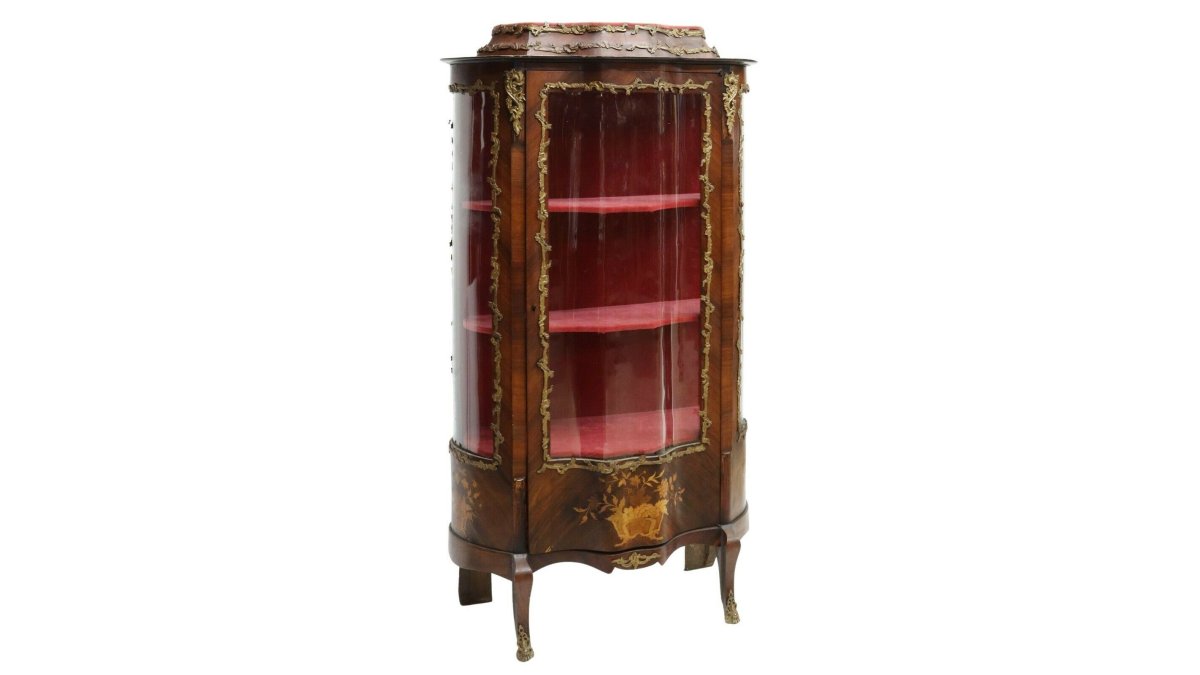
Antique pieces often have generous proportions. An authentic Louis XV vitrine cabinet stands 63 inches tall with curved glass sides and ornate ormolu decoration; in a modern room with clean lines, that height becomes an asset if paired with lower, simpler contemporary seating.

Conversely, a set of six carved French Breton dining chairs from the 1900s with figured oak backs and rush seats needs a substantial table.
Pair Contrasting Styles, Shapes, and Materials
Authentic antique decor works best when it contrasts with contemporary pieces rather than competing. A room full of antiques feels dated; one or two statement antiques feel curated.
Materials matter. A painted Chinoiserie screen with gold and green tones adds pattern to a monochromatic space. An antique brass double-arm lamp with green glass shades introduces a vintage glow LED bulbs cannot achieve.
Shape contrast matters too. Modern furniture tends toward straight lines; antiques feature carved details and figural elements.
How to Identify Authentic Antiques
Not every old piece is authentic. Not every authentic piece is valuable. Knowing the difference protects your investment and ensures you're buying genuine history, not a convincing reproduction.
Verify Authenticity and Assess Condition
Authentic antique decor for modern interiors begins with verification. Before committing to a significant purchase, especially online, understand what you're looking at.
Construction methods reveal age.
Wood species matter. An 1800s French Breton dining chair should be solid oak with handwoven rush seats, showing color variation, minor grain cracks, and worn edges.
Patina is a fingerprint. Authentic aged brass on an 1800s lamp develops a warm, mottled finish over decades, with wear marks and oxidation patterns.
Signatures and maker's marks add provenance. Antique oil paintings, especially European works, often bear signatures and artist attributions.
Documentation and Certificates of Authenticity
Serious collectors expect documentation. A certificate of authenticity from a reputable dealer states the piece's origin, period, materials, and condition.
When buying from established dealers, ask about provenance: Where did the piece come from? How long has the dealer owned it? Has it been professionally restored, and by whom?
For high-value pieces, a set of six antique French Breton dining chairs, a 19th-century French brass candelabra pair, an antique French vitrine cabinet, documentation becomes essential.
| Verification Method | What It Reveals | Red Flags |
|---|---|---|
| Construction examination | Joinery, fasteners, wood grain consistency | Machine marks on hand-cut pieces, inconsistent wood |
| Patina assessment | Age, handling history, genuine wear | Uniform finish, artificially aged surfaces |
| Maker's marks | Origin, period, maker identity | Missing marks on signed pieces, inconsistent signatures |
| Provenance documentation | Ownership history, authenticity | Vague ownership, missing chain of custody |
| Professional inspection | Structural integrity, restoration history | Hidden repairs, amateur refinishing |
Antique Decor Ideas for Modern Homes
Authentic antique decor for modern interiors shines when you know where and how to use it. Different pieces serve different purposes in contemporary spaces.
Using Antiques as Focal Points
A focal point anchors a room. In modern interiors, focal points are often architectural, a fireplace, a large window, a feature wall. Antiques can become secondary focal points that draw the eye and set the room's tone.
A large antique mirror with an ornate Continental repousse pine frame becomes a statement piece on a plain wall. Position it where it reflects light and creates the illusion of more space.
An antique oil painting, landscape, portrait, or historical scene, functions as wall art with immediate visual weight.
A blanket chest in English Renaissance Revival oak with carved lion masks and figural bust supports serves as a television stand or media console.
Layering Vintage Seating and Tables
Antique seating pieces, a set of six carved oak Breton dining chairs, a red leather British Chesterfield sofa, a painted Chinoiserie dressing screen, anchor functional zones while adding character.

A Chesterfield sofa with deep button tufting, rolled arms, and brass nailhead trim becomes the centerpiece of a library or study.
Antique dining chairs work best in sets or pairs. Six carved Breton chairs around a contemporary wood table create visual rhythm without overwhelming the space.
A dressing screen with Chinoiserie painted figures and ornate foliate borders divides space while adding pattern and color. Use it to section off a bedroom corner, behind a sofa, or as a standalone decorative element.
Decorating with Antique Lighting and Brass Accents
Lighting is where antique and modern design converge most naturally. An 1800s brass double-arm student lamp with green glass shades casts warm, directional light.
Antique Vitrine, Cabinet French Louis XV Style Exceptional Curved, Gorgeous!! →
Brass accents throughout a room create cohesion.
Smaller brass pieces work too. An antique brass mirror frame, brass candleholders, and brass decorative accessories scattered across shelves and mantels create a visual thread, adding the shine and detail modern finishes often lack.
Sourcing Authentic Antique Home Decor Online
Buying antiques online carries risk, you cannot touch the piece, examine the wood grain, or assess the patina. But online shopping also offers access to inventory far beyond what local antique shops carry.
What to Look for When Shopping Online
Detailed photography is your first filter. Reputable dealers provide multiple angles, front, side, back, detail shots of carved elements, close-ups of maker's marks, images of the underside or interior.
Condition descriptions matter. Honest dealers describe wear, restoration, and damage.
Dimensions are critical. An antique vitrine cabinet measuring 63.75 inches tall and 34.5 inches wide fits some spaces and not others.
Price transparency matters. Quality antique dealers list prices clearly. If a dealer requires you to contact them for pricing or won't quote shipping costs upfront, that's a warning sign.
Return policies protect you. Reputable online antique dealers offer returns or guarantees if the piece doesn't match the photos or description.
Small-Space and Rental-Friendly Solutions
Not every home has room for a 63-inch vitrine or a seven-foot rug. Small spaces and rentals require different strategies.
A dressing screen with Chinoiserie painted figures (64 inches tall, 72 inches wide when extended) divides a studio or small bedroom without permanent installation. It moves with you if you relocate, adding character without claiming square footage.
An antique mirror with ornate repousse frame (28 by 17 inches) hangs on any wall and reflects light, expanding perceived space. It's portable and adds visual interest to rental walls you cannot paint.
Smaller antique pieces work in compact spaces: a pair of antique oil paintings on canvas, a brass double-arm lamp with green glass shades, or a European room-size rug (6'8" by 9'9") that anchors a seating area without overwhelming it.
For renters, portable pieces are essential.
Balancing Old and New Elements
The secret to mixing antique and modern design is restraint. Too many antiques feel cluttered. Too few feel sterile. The goal is dialogue, not dominance.
Creating Visual Balance with Color and Texture
Color anchors a room. If your contemporary furniture is neutral, whites, grays, blacks, introduce color through antiques. A European room-size rug in blue, green, and gold becomes the room's color story. A red leather Chesterfield sofa with brass nailhead trim adds warmth and boldness.
Texture prevents modern spaces from feeling cold. Antique wood, hand-carved, aged, patinated, adds warmth glass, metal, and upholstery cannot.
Balance texture across the room. If your sofa is smooth leather, pair it with a textured rug and carved wooden accessories. If your lighting is modern and minimal, introduce an antique brass lamp with character.
Incorporating Vintage and Contemporary Lighting
Lighting is where old and new must coexist functionally. An 1800s brass student lamp converted to electric provides warm, directional light. It's antique in form but modern in function. Pair it with contemporary pendant lights or track lighting for layered illumination.
Candelabra, whether functional with real candles or fitted with electric bulbs, add drama and formality.
Wall sconces with antique frames or brass arms bridge periods. A modern bulb in an antique fixture creates the best of both worlds: the look and feel of history with contemporary convenience.
Care, Maintenance, and Sustainable Living
Authentic antique decor for modern interiors represents sustainability in its purest form.
Maintenance keeps antiques functional and beautiful. Leather on a vintage Chesterfield sofa softens and creases with age, that's character, not damage.
Documentation and insurance matter. As your collection grows, photograph pieces, keep receipts and certificates of authenticity, and insure high-value items.
Sourcing responsibly means buying from dealers who can verify provenance and condition.
Choosing antique over new is choosing longevity. A hand-carved oak chest built in the 1800s will outlast contemporary furniture by decades.
Mixing authentic antique decor with modern interiors requires confidence in your choices and clarity about what you're buying. When you know what makes an 1800s French vitrine cabinet authentic, why a set of carved Breton dining chairs commands respect, or how aged brass patina develops over a century, you make better decisions.
Frequently Asked Questions
How can you tell if an antique is authentic?
Authentic antiques show honest wear consistent with age and use. Look for hand-crafted details, period-appropriate materials, and construction methods. Examine joints, hardware, and finishes for signs of genuine aging. Reputable dealers like Old Europe Antique Home Furnishings provide documentation or certificates of authenticity. Ask about provenance, materials (solid oak or mahogany versus veneer), and whether pieces retain original patina.
What antique pieces work best in a modern interior?
Pieces with strong architectural presence work well: statement seating like a British Chesterfield sofa ($2,814.25), display cabinets such as French Louis XV vitrines ($3,695.00), ornate mirrors, and antique lighting fixtures. Smaller decorative items, oil paintings, brass candelabras, and ceramics, layer easily without overwhelming contemporary spaces. Choose pieces with timeless silhouettes and neutral or jewel tones that complement modern color palettes. Antique and vintage pieces that offer functional storage or seating integrate seamlessly while adding character and depth to minimalist or eclectic interiors.
How do you mix antiques with modern decor without making a room look dated?
Balance scale and proportion by pairing oversized antique furniture with sleek modern pieces. Use a limited color palette, let the antique be the focal point while keeping walls and contemporary furnishings neutral. Incorporate bright accents through modern artwork or textiles to prevent the space from feeling too historical. Mix materials: pair a carved oak antique chest with glass and metal modern shelving. Include contemporary lighting alongside vintage brass fixtures. The key is intentional contrast rather than matching everything to one era. This approach celebrates the antique's character while keeping the overall aesthetic current and fresh.
Where can you buy authentic antique home decor online?
Reputable online dealers provide detailed photographs, condition descriptions, and provenance information. Old Europe Antique Home Furnishings offers curated European antiques dating back to the 16th century, with transparent pricing and door-to-door delivery options. When shopping online, verify authenticity through documentation, read detailed condition notes, and check return policies. Avoid sellers who lack clear photos, condition transparency, or contact information. Ask questions about materials, age, and any restoration work. Established dealers often offer certificates of authenticity and can source specific pieces for collectors seeking rare, historically significant items with verified provenance.