


Authentic Antique Chandeliers for Luxury Homes
Table of Contents
- What Makes Authentic Antique Chandeliers Valuable Statement Pieces
- How to Identify an Antique Chandelier: Materials, Period, and Authenticity Markers
- Antique Crystal Chandeliers: European Styles and Characteristics
- Slag Glass and Dutch Oil Lamps: Alternative Antique Lighting
- How to Clean an Antique Crystal Chandelier Without Damage
- Antique Chandelier Buying Guide: What to Look for and Price Expectations
- Sourcing Rare and Verified Authentic Pieces
- Frequently Asked Questions
Last Updated: October 14, 2026
What Makes Authentic Antique Chandeliers Valuable Statement Pieces
Authentic antique chandeliers embody centuries of European craftsmanship and historical significance that mass-produced fixtures cannot replicate. At Old Europe Antique Home Furnishings, we offer a curated selection of authentic European antiques, and understanding what makes a chandelier genuinely valuable can help in your selection.

The appeal of antique chandeliers lies in their rarity and the skill embedded in every detail. Whether you're furnishing a dining room, creating an elegant entryway, or adding a focal point to a living space, an authentic antique chandelier elevates the entire aesthetic of a luxury home.
What distinguishes valuable pieces from reproductions is authenticity. Genuine antique chandeliers can appreciate over time, both aesthetically and financially, and the craftsmanship visible in hand-cut crystal, hand-painted glass, and intricately carved metalwork cannot be replicated by modern manufacturing.
How to Identify an Antique Chandelier: Materials, Period, and Authenticity Markers
Identifying whether a chandelier is genuinely antique requires examining the materials, construction techniques, and wear patterns that reveal its age and origin.
Glass Versus Crystal: Understanding the Difference
Crystal and glass are fundamentally different materials. Crystal contains lead oxide, which gives it superior clarity, brilliance, and the distinctive ring when gently tapped. Glass lacks these properties and was historically the less expensive choice.
Authentic antique chandeliers from the 18th and 19th centuries often featured hand-cut crystal. When examining a potential purchase, look at how light passes through the material: crystal displays rainbow-like dispersion patterns, while glass tends toward uniform transparency.
Weight also provides a clue. Crystal is denser and heavier than glass, and reproduction chandeliers frequently use lightweight glass to reduce manufacturing costs and structural demands.
Period Styles and Construction Methods
Different historical periods produced chandeliers with distinctly recognizable characteristics that help verify authenticity and date a piece.
French chandeliers from the 18th century typically featured ornate bronze or brass frames with delicate crystal drops, emphasizing symmetry and elaborate ornamentation. These pieces often included candle holders arranged in multiple tiers for dramatic visual impact.
19th-century chandeliers show increased use of gas lighting components. Many were later electrified, which affects value depending on how professionally the conversion was completed; original wiring and unmodified gas fixtures command premium prices among collectors.
The construction method itself reveals age. Hand-forged metalwork shows irregularities and hammer marks that machine-made reproductions cannot replicate, and crystal prisms in genuine antique chandeliers were individually hand-cut and attached, creating slight variations that prove their age.
Examine how the chandelier was assembled. Authentic pieces show period-appropriate joinery and fastening methods, while modern reproductions use contemporary assembly techniques that betray their recent manufacture.
Antique Crystal Chandeliers: European Styles and Characteristics
European antique crystal chandeliers represent the pinnacle of decorative lighting artistry, and understanding regional styles helps collectors identify and appreciate these pieces.
French and Bohemian Crystal Designs
French crystal chandeliers from the 18th and early 19th centuries established an aesthetic standard that influenced European design for generations. Bohemian crystal offered exceptional clarity and became increasingly popular throughout the 19th century.
French designs emphasized elegance and restraint. The classic French chandelier featured a central stem with symmetrically arranged candle arms, each adorned with graduated crystal prisms that created a cascading effect.
Bohemian crystal chandeliers tended toward more elaborate designs with heavier crystal components cut into intricate patterns.
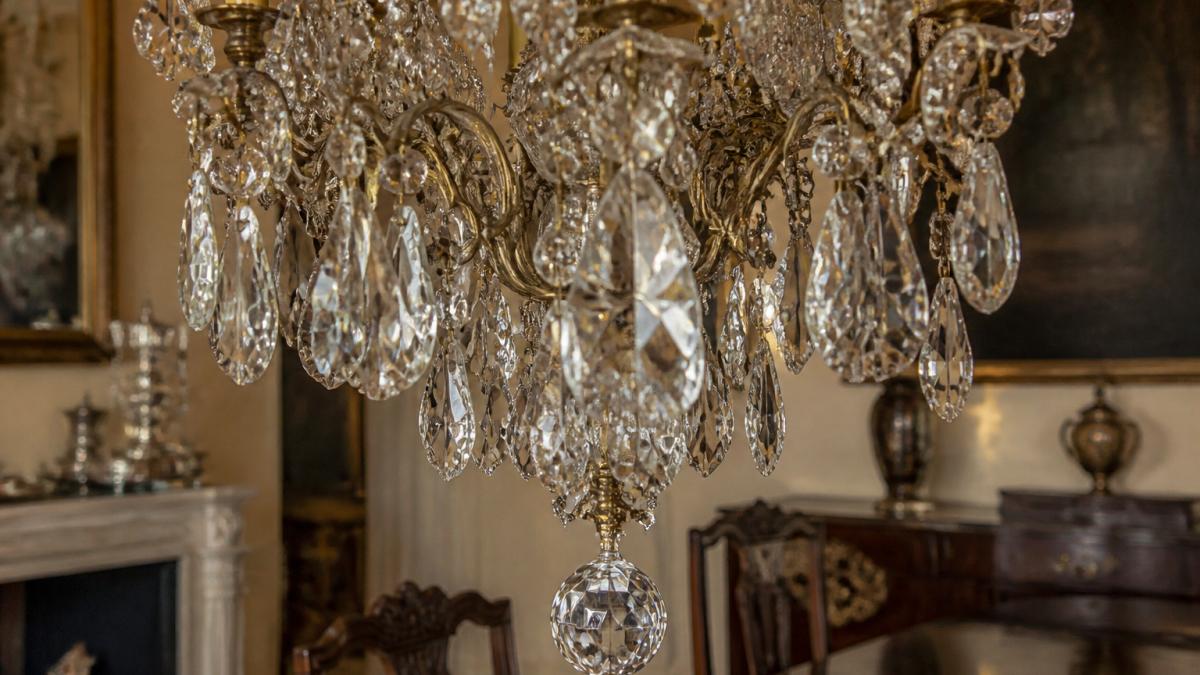
Ornate Versus Minimalist Crystal Fixtures
Within European traditions, two distinct aesthetic approaches emerged. Ornate designs incorporated extensive carved metalwork, multiple tiers of crystal drops, and elaborate ornamentation, requiring substantial ceiling height and room scale to display properly.
Minimalist crystal fixtures prioritized the beauty of the crystal itself over metalwork ornamentation, using simpler frames that let the crystal's optical properties dominate. This restraint demanded more skilled craftsmanship, as every element had to earn its place through proportion and precision.
Both styles remain highly desirable: ornate pieces appeal to those seeking dramatic, traditional aesthetics, while minimalist designs integrate more seamlessly into contemporary luxury interiors.
Slag Glass and Dutch Oil Lamps: Alternative Antique Lighting
Beyond crystal chandeliers, slag glass fixtures and Dutch oil lamps represent distinct antique lighting traditions that offer unique aesthetic and historical value.

Slag glass emerged in the late 19th century when manufacturers mixed colored glass with white opalescent glass during production, creating mottled patterns in warm amber, cream, and red tones. These fixtures grew popular as gas and early electric lighting spread through homes.
The labor-intensive manufacturing process means each piece exhibits subtle variations in color and pattern. Old Europe Antique Home Furnishings currently offers a stunning Slag Glass Hanging Light in cream and red from circa 1900, featuring grapevine overlays and accepting three bulbs at 14 inches by 22 inches in diameter.
Dutch oil lamps represent an earlier tradition, typically from the 19th century, featuring painted glass and relief-decorated metalwork with narrative imagery. A notable example from Old Europe Antique Home Furnishings is the Antique Hanging Oil Dutch Lamp from the 19th century, standing approximately 47 inches tall with a 22.5-inch diameter, featuring relief scenes, masks, and painted floral decoration on a blue-toned ground with six foliate scrollwork light holders.

How to Clean an Antique Crystal Chandelier Without Damage
Proper maintenance preserves both the beauty and value of antique chandeliers. Cleaning requires careful technique to avoid damaging delicate components and original finishes.
Safe Cleaning Methods by Material Type
For crystal components, use distilled water with a small amount of mild dish soap. Never use commercial glass cleaners containing ammonia, which can damage antique glass and crystal over time.
Lamp, Slag Glass Hanging Light, Antique, Cream, Red, C. 1900s, Gorgeous!! →
Remove individual crystal prisms if possible, soak them in the soapy solution for several minutes, then rinse with distilled water and dry immediately with a soft, lint-free cloth to prevent water spots and mineral buildup.
For the metalwork frame, use cleaners appropriate to the metal type. Avoid abrasive scrubbing that removes patina, which protects the underlying metal and contributes to the piece's historical character.
Never immerse the entire chandelier in water or use pressure washers, which can force water into joints and compromise structural integrity, and avoid harsh chemical degreasers that strip protective coatings and damage painted surfaces.
Preservation and Long-Term Care
Long-term preservation involves environmental control and regular inspection. Antique chandeliers perform best in stable temperature and humidity; extreme fluctuations cause metal expansion and contraction that stresses joints and can crack crystal or glass.
Inspect periodically for loose components, since crystals may detach and metalwork joints can weaken over time. Addressing these issues promptly prevents further damage, and professional restoration specialists can reattach crystals and repair metalwork using period-appropriate techniques.
If the chandelier has been electrified, have the wiring inspected by a qualified electrician familiar with antique fixtures.
If not in use, wrap components individually in acid-free tissue paper to prevent scratching and corrosion, and store in a climate-controlled environment away from direct sunlight, which can fade painted surfaces and weaken adhesives.
Antique Chandelier Buying Guide: What to Look for and Price Expectations
Purchasing an authentic antique chandelier requires understanding what factors influence value and how to evaluate pieces.
Size, Scale, and Room Placement Considerations
Chandelier size must be proportional to the room it will occupy. A piece too large overwhelms the space, while one too small fails to make the intended impact.
Ceiling height significantly affects selection: standard 8-foot ceilings require compact fixtures with shorter drop lengths, while higher ceilings allow larger pieces with extended crystal drops. Measure your ceiling height and the hanging distance when considering potential pieces.
The room's overall scale matters equally: a grand ballroom-sized chandelier in a modest bedroom looks absurd, while a delicate fixture disappears in a spacious formal dining room. Traditional period homes often benefit from chandeliers matching their historical era, while contemporary luxury interiors can feature antique pieces as intentional contrasts.
Provenance, Documentation, and Investment Value
Provenance refers to the documented history of ownership and origin of an antique piece (Archaeological Material and Ancient Art). Chandeliers with clear provenance command premium prices because collectors can verify authenticity and historical significance. Documentation might include auction house records, previous owner information, or expert authentication certificates.
Investment value depends on factors beyond age: rarity, condition, maker attribution, and historical significance all influence what collectors will pay.
Seek pieces with clear attribution when possible. Signed components or maker's marks provide verification that specialists can research. Even without signatures, experienced dealers can often identify regional styles and manufacturing techniques that point to specific origins.
Condition assessment is critical for valuation: original components command higher prices than heavily restored or modified pieces, though professional restoration that maintains historical accuracy can enhance value if documented and expertly executed.
Sourcing Rare and Verified Authentic Pieces
Finding genuine antique chandeliers requires knowing where to look and how to evaluate sellers.
Reputable dealers like Old Europe Antique Home Furnishings provide detailed documentation about each piece's origin, period, materials, and condition, and can answer questions about construction methods, previous ownership when known, and any restoration work.
When sourcing independently, research dealers carefully. Established dealers with long track records, published expertise, and transparent practices offer more protection than online marketplaces where verification is difficult.
Consider working with specialists who focus specifically on antique lighting. Their expertise in materials, construction methods, and period styles protects against purchasing reproductions marketed as authentic.
For collectors seeking specific pieces, dealers who offer sourcing services provide valuable assistance: rather than waiting for the perfect chandelier to appear in inventory, describe what you're seeking and specialists can locate appropriate examples.
Sourcing an authentic antique chandelier for your luxury home requires patience, knowledge, and access to reliable dealers.
| Consideration | What to Evaluate | Impact on Value |
|---|---|---|
| Material | Crystal vs. glass, metal type | |
| Period | 18th, 19th, early 20th century | |
| Condition | Original components, wear, repairs | |
| Provenance | Documentation, maker marks, ownership history | |
| Size and Scale | Room proportions, ceiling height, aesthetic fit | Correct sizing essential for functionality |
| Rarity | Manufacturing quantity, regional origin |
Frequently Asked Questions
How can you tell whether an antique chandelier is authentic?
Authentic antique chandeliers show specific markers of age and craftsmanship. Examine the metal work for hand-forged details, patina consistent with the claimed period, and construction methods appropriate to the era. Crystal pieces should have irregular faceting and weight that distinguishes them from modern reproductions. Request documentation of provenance, including previous ownership records or auction history. Reputable dealers like Old Europe Antique Home Furnishings provide detailed descriptions of condition, materials, and historical context. Look for wear patterns, repairs, and modifications that reflect genuine use over centuries rather than uniform pristine appearance.
What should you look for when buying an antique chandelier?
When evaluating authentic antique chandeliers for luxury homes, prioritize scale relative to your ceiling height and room dimensions. A 47-inch Dutch oil lamp requires adequate vertical clearance and appropriate room volume. Assess the chandelier's original function and whether electrification is necessary or desired. Verify the material composition, whether crystal, slag glass, or carved wood. Consider installation requirements and whether professional wiring is needed. Examine condition honestly, understanding that age-appropriate wear adds authenticity but significant damage affects both safety and value. Confirm authenticity through documentation and expert assessment before committing to a purchase.
How do you clean an antique crystal chandelier safely?
Cleaning antique crystal chandeliers requires gentle handling to preserve both the crystals and metal framework. Turn off electricity at the breaker before beginning. Use distilled water with a small amount of mild dish soap, never harsh chemicals or vinegar solutions that can damage delicate finishes. Avoid submerging crystals if they are glued rather than wired to the frame. Dry immediately with soft, lint-free cloths to prevent water spots and mineral deposits. For ornate carved wood pieces like Spanish church lights, use only dry dusting with soft brushes. When in doubt about a specific piece's material composition, consult a professional conservator to avoid irreversible damage.
Are antique chandeliers valuable investments?
Authentic antique chandeliers can be valuable, particularly pieces with verified provenance, rare materials, and documented historical significance. Crystal chandeliers from the 18th and 19th centuries, especially French and Bohemian examples, can hold value among collectors. Condition, originality, and rarity directly influence market value. Pieces sold through established dealers with authentication documentation tend to retain value better than unverified purchases. However, value depends on finding knowledgeable buyers; not all antique lighting commands premium prices. Collectors motivated by aesthetic appreciation and historical craftsmanship often find that owning an authentic piece justifies the investment regardless of resale potential.